Overview
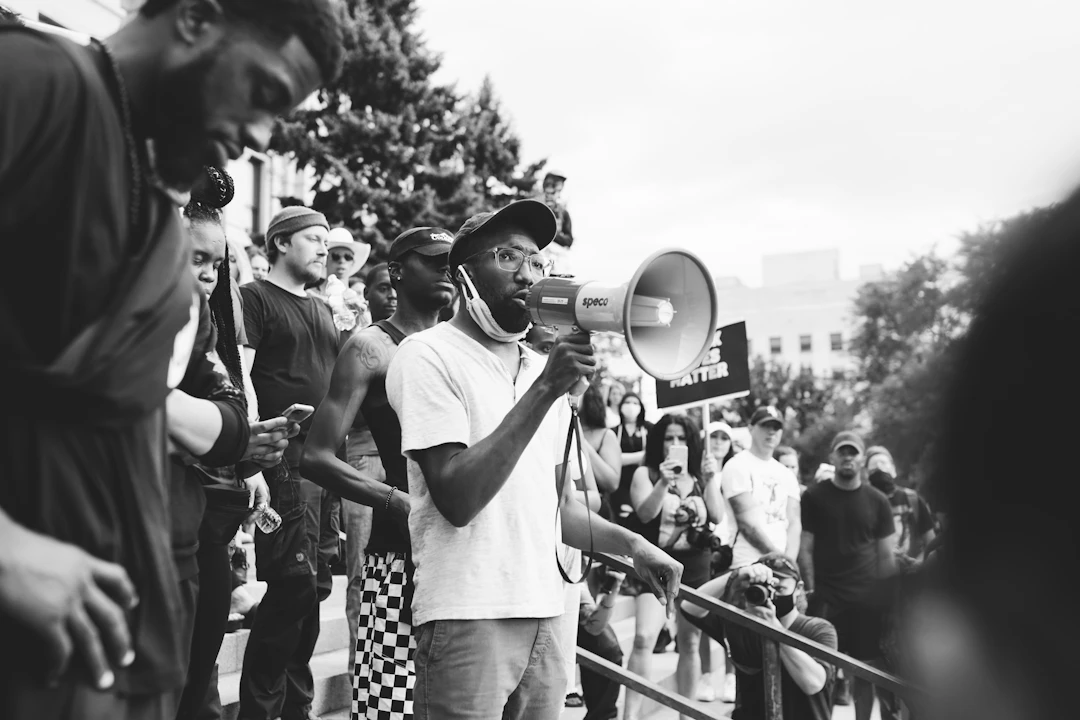
Rap music has evolved from its roots in African American struggles to become a powerful voice for social justice, with artists like Kendrick Lamar, J. Cole, Drake, Eminem, and Tupac using their platforms to address issues like racism, poverty, and mental health. The genre's storytelling tradition facilitates deep personal and societal reflections, inspiring activism and change. As social media amplifies these messages, rap continues to shape movements like Black Lives Matter, ensuring its relevance in advocating for equality and justice. The future of rap remains intertwined with social activism, challenging norms and empowering new generations.
Contents
The Roots of Rap and Social Consciousness
Voices of Change: Kendrick Lamar and the Fight for Justice
- The Power of Words: J. Cole’s Insightful Reflections
Drake’s Influence: More Than Just Party Anthems
Eminem: The Voice of Protest
- The Legacy of Tupac Shakur: A Pillar of Expression
Social Media and the Evolution of Rap Activism
The Impact of Rap on Contemporary Movements
Looking Ahead: What’s Next for Rap and Activism?
A Legacy of Hope and Resistance
FAQs
- How has rap music contributed to social justice movements?
- Which artists are known for their contributions to social justice in rap?
- What themes do Kendrick Lamar and J. Cole explore in their music?
- How has social media impacted rap activism?
- What is the future of rap in relation to social justice?
In the vibrant world of music, few genres have been able to convey deep social narratives and personal struggles quite like rap. Emerging from the streets, rap has transformed into a powerful tool for social justice, serving as a voice for the voiceless and a catalyst for change. In this exploration, we delve into how legendary artists like Kendrick Lamar, Drake, J. Cole, Eminem, and Tupac have utilized their craft to tackle pressing social issues, advocate for the marginalized, and inspire a generation.
The Roots of Rap and Social Consciousness
Rap music has its origins steeped in the struggles of African American communities, primarily during the late 20th century. Artists began to use their platform to address inequalities, systemic racism, poverty, and police brutality. Each lyric tells a story, often reflecting the injustices faced by these communities.
The foundation of rap is built on the concept of storytelling, where artists convey messages that resonate with personal and collective experiences. This genre has evolved, with artists increasingly intertwining their narratives with social justice themes. The 'Golden Age of Hip Hop' in the late 1980s and early 1990s emphasized conscious rap, paving the way for the socially aware lyrics we see today.
Voices of Change: Kendrick Lamar and the Fight for Justice
One of the most significant figures in contemporary rap who exemplifies the link between music and social justice is Kendrick Lamar. His album, "To Pimp a Butterfly," is a deep dive into the struggles of African Americans, touching on issues such as racial discrimination and the psychological impact of systemic oppression. In tracks like "Alright," Kendrick offers not only a commentary on the state of society but also a sense of hope and resilience for those facing adversity.
Kendrick's artistry transcends mere entertainment; it serves as a rallying cry for change. His ability to weave personal narratives with broader social commentary has made him an influential voice in the movement for social justice. He encourages listeners to confront uncomfortable truths and empowers them to fight against societal norms that perpetuate inequality.
The Power of Words: J. Cole’s Insightful Reflections
J. Cole is another rap artist who cannot go unmentioned in this conversation. With his masterful storytelling, Cole often explores themes of racism, economic disparity, and mental health in his music. His critically acclaimed album, "2014 Forest Hills Drive," offers a relatable perspective on the struggles of growing up in a disadvantaged environment while striving for success.
Tracks such as "Be Free" directly address the Black Lives Matter movement, urging listeners to reflect on the civil rights struggles that have persisted throughout history. J. Cole's ability to connect personal experiences to larger societal issues engages his audience and encourages activism through his music.
Drake’s Influence: More Than Just Party Anthems
On songs like "Duppy Freestyle," Drake touches on the struggles faced by aspiring artists in the competitive music industry, indirectly reflecting on the systemic barriers present in the entertainment world. This nuanced take on social justice adds a unique layer to Drake's musical output, rounding out his persona as not just a chart-topping artist but as a thoughtful contributor to the dialogue surrounding societal strife.
Eminem: The Voice of Protest
Renowned for his unfiltered lyricism, Eminem has used his music as a platform for social criticism throughout his career. His track "Fight the Power" became an anthem for the marginalized, emphasizing the importance of standing up against oppression. Eminem's lyrical prowess allows him to tackle difficult topics, such as mental health and social inequality, revealing the inner turmoil of individuals struggling in a flawed system.
His song “Stan,” while primarily a reflection on fandom and obsession, also delves into the issues of mental health, showcasing how music can impact individuals deeply and personally—reminding listeners that vulnerabilities exist even in the most celebrated figures.
The Legacy of Tupac Shakur: A Pillar of Expression
Tupac Shakur, an iconic figure in the annals of rap history, used his music as a means to speak directly to the struggles of his community. Songs like "Changes" and "Keep Ya Head Up" resonate powerfully with themes of racial injustice and gender equality. Tupac’s raw honesty allows listeners to relate to his personal experiences while recognizing the larger societal issues at play.
Tupac's legacy is a testament to the power of hip-hop as not just a form of entertainment, but as a movement for social change. His willingness to confront the harsh realities of life in America continues to inspire both artists and activists today.
Social Media and the Evolution of Rap Activism
With the rise of social media, the platform has increasingly become a tool for artists to express their opinions and advocate for social justice. The immediacy of platforms like Twitter, Instagram, and TikTok allows artists to engage with social issues in real-time, mobilizing listeners for causes ranging from police reform to mental health awareness.
Artists can share updates, collaborate with activists, and provide their audience with tangible ways to get involved. This shift has made the genre's connection to social justice more potent, as artists can harness their followings to ignite change and inspire movements.
Increased visibility of marginalized voices through music.
Grassroots activism fueled by social platforms.
Immediate engagement with social issues and campaigns.
The Impact of Rap on Contemporary Movements
The influence of rap on social movements cannot be overstated. The genre has consistently provided the soundtrack to major civil rights advancements, echoing sentiments that resonate across generations. As movements like Black Lives Matter gain momentum, rap continues to be at the forefront, mobilizing activism through its cultural relevance.
In recent years, we have seen artists using their platforms to raise awareness about social injustices, often donating proceeds to organizations that fight for equality. This practice not only highlights the importance of activism within the industry but also inspires listeners to reflect on their own engagement with social issues.
Looking Ahead: What’s Next for Rap and Activism?
The future of rap and its role in social justice is poised for continued evolution, as emerging artists take up the mantle and carry the torch lit by icons like Kendrick Lamar, Drake, J. Cole, Eminem, and Tupac. As new voices emerge within the genre, what remains crucial is the commitment to addressing societal injustices, inspiring future generations to use art as a means of advocacy.
Emerging rappers today are blending diverse influences, intertwining personal experiences with broader societal commentary, ensuring that the genre remains relevant forward in challenging established norms and expectations. In many ways, the evolution of rap will continue to reflect the zeitgeist of the times, demanding accountability and facilitating dialogue on pressing social issues.
A Legacy of Hope and Resistance
As we navigate the complex relationship between rap and social justice, it becomes clear that music is more than mere entertainment; it is a conduit for change. The artists who boldly address societal issues through their lyrics not only enlighten us but also empower us to stand up, speak out, and promote justice and equality.
In the coming years, we can only hope that the intersection of rap and social justice continues to flourish, creating a space where new voices rise and the rhythm of resistance resonates louder than ever. Whether through the introspective brilliance of Kendrick Lamar or the raw authenticity of Tupac, rap will forever remain a vital part of the cultural conversation, driving change and advocating for those who seek to be heard.
FAQs
How has rap music contributed to social justice movements?
Rap music has transformed into a powerful tool for social justice, serving as a voice for the voiceless and addressing issues such as systemic racism, inequality, and police brutality.
Which artists are known for their contributions to social justice in rap?
Notable artists include Kendrick Lamar, J. Cole, Drake, Eminem, and Tupac, all of whom have used their music to address critical social issues and inspire activism.
What themes do Kendrick Lamar and J. Cole explore in their music?
Kendrick Lamar often explores racial discrimination and systemic oppression, while J. Cole addresses themes of racism, economic disparity, and mental health.
How has social media impacted rap activism?
Social media allows artists to engage with social issues in real-time, mobilizing listeners for causes and increasing the visibility of marginalized voices.
What is the future of rap in relation to social justice?
The future of rap is expected to evolve with emerging artists continuing to address societal injustices, ensuring the genre remains relevant and a means of advocacy.