Overview
Hip hop is a cultural movement rooted in activism, reflecting the struggles of marginalized communities since the late 1970s. It has evolved through various eras, with artists using their music to address social justice, inequality, and systemic oppression. Today, hip hop remains a powerful platform for activism, influencing movements like Black Lives Matter and empowering diverse voices globally. Despite critiques of authenticity, hip hop continues to challenge societal norms and inspire change, making it an essential part of social discourse.
Contents
The Roots of Hip Hop Activism
90's and 2000's Hip Hop: A New Wave of Activism
Modern-Day Hip Hop and Its Activist Roots
Hip Hop as a Tool for Empowerment
- Empowerment Through Education
- The Role of Social Media
Examining the Critique: Is Activism in Hip Hop Always Genuine?
A Platform for Diverse Voices
- Global Influence of Hip Hop Activism
The Future of Hip Hop and Activism
Join the Conversation
FAQs
- What is the connection between hip hop and activism?
- Who were some early pioneers of hip hop activism?
- How did hip hop artists in the 90s address social issues?
- What role does social media play in hip hop activism today?
- Is activism in hip hop always genuine?
Hip hop is not just a genre of music; it is a vibrant cultural movement that reflects the struggles, aspirations, and dreams of marginalized communities. Since its inception in the late 1970s, hip hop has often intertwined with activism, advocating for social justice, equality, and change. In this article, we will explore how hip hop serves as a powerful vehicle for activism, promoting awareness on crucial societal issues while influencing the political landscape in the United States and beyond.
The Roots of Hip Hop Activism
To truly understand the relationship between hip hop and activism, we must first delve into the history of hip hop itself. Emerging primarily from the African American and Latino communities in the Bronx, New York, hip hop was born out of necessity—a response to systemic oppression and artistic expression.
The early pioneers of hip hop, from DJ Kool Herc to Grandmaster Flash, utilized their platforms to voice the struggles of their communities against poverty, racism, and police brutality. As hip hop evolved through the 80s, artists like Public Enemy and N.W.A emerged, using their lyrics to confront social inequities directly. Public Enemy’s iconic tracks like “Fight the Power” became anthems of resistance, demonstrating that hip hop could mobilize people to rise against oppression.
90's and 2000's Hip Hop: A New Wave of Activism
The 90s were a pivotal time for both hip hop and activism, with artists continually pushing the envelope. The emergence of gangsta rap introduced a raw voice that challenged societal norms and explicitly addressed issues such as police brutality and systemic racism. Albums likeStraight Outta Comptonby N.W.A andIt Takes a Nation of Millions to Hold Us Backby Public Enemy were not just music; they were political statements.
As we look at the 90's rap album reviews, we can see how artists like Tupac Shakur and The Notorious B.I.G. used their art to comment on violence and inequality within their communities. Tupac, in particular, blended poignant storytelling with activism in his music, addressing issues ranging from poverty to police violence. His tracks like “Changes” and “Keep Ya Head Up” provided a voice for the voiceless, making palpable the struggles faced daily.
In the 2000s, the activism within hip hop continued to thrive, navigating through both personal and political landscapes. Artists like Nas, with his albumIllmatic, and Jay-Z, who reflected societal themes in his lyrics, were at the forefront. The 2000's rap album reviews highlight how these artists further pushed the narrative of social justice, expanding on themes of racial inequality, economic hardship, and the quest for identity. The evolution of rapper ratings during this period indicated a growing recognition of hip hop as an influential force in social dialogue.
Modern-Day Hip Hop and Its Activist Roots
Fast forward to the present, and hip hop remains a vital platform for activism. Artists like Kendrick Lamar, J. Cole, and Chance the Rapper continue the legacy, using their music to address current issues surrounding police brutality, systemic racism, and political disenfranchisement. Kendrick'sTo Pimp a Butterflyand J. Cole's4 Your Eyez Onlyprovide deep introspections on the black experience in America, urging listeners to confront uncomfortable truths.
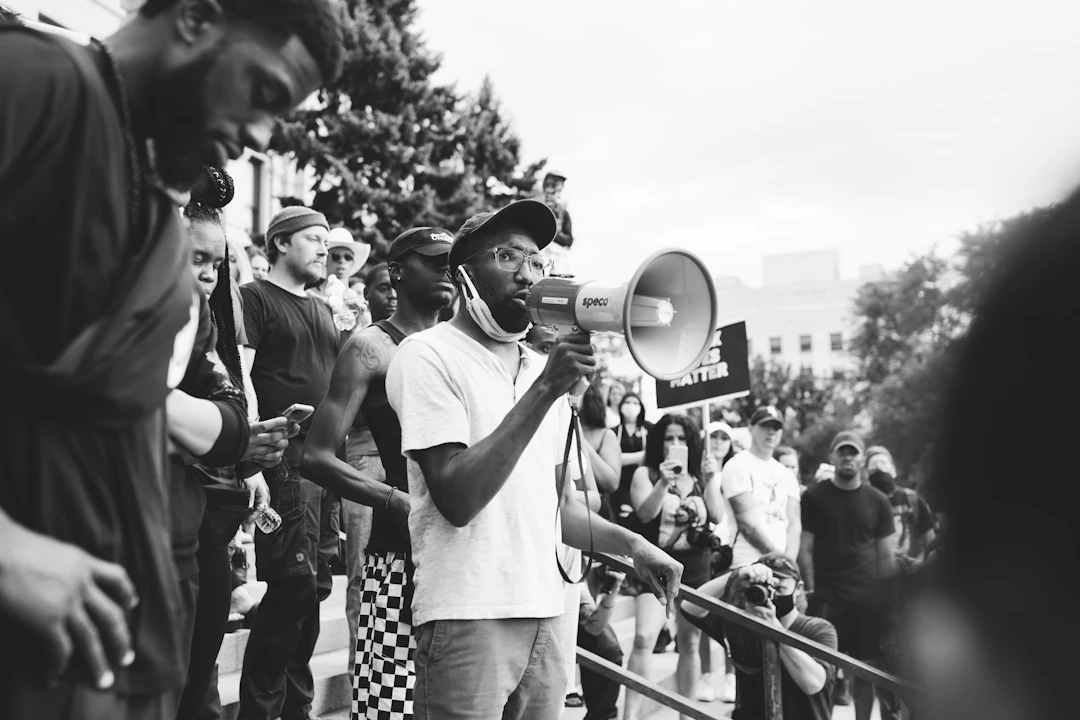
The impact of hip hop on movements like Black Lives Matter further highlights the genre's role in activism. Many hip hop artists have taken a stand, amplifying the message of social justice through their music, social media, and public appearances. Notable performances during major protests and events have turned songs into rallying cries for change.
Hip Hop as a Tool for Empowerment
Hip hop’s ability to empower individuals and communities cannot be understated. It has fostered a sense of identity and belonging, particularly among marginalized groups. By addressing issues such as poverty, inequality, and violence, hip hop gives voice to those often silenced by mainstream media.
Empowerment Through Education
Many hip hop artists also engage in activism by promoting education and empowerment. For instance, through charity and community programs, they provide resources for youth, encouraging them to pursue education and articulate their aspirations. The lyrics in their songs often serve as educational tools, highlighting the importance of self-awareness and critical thinking.
The Role of Social Media
Social media has revolutionized how hip hop artists communicate their messages. Platforms like Twitter, Instagram, and TikTok offer artists the ability to not only share music but also to strategize change, mobilize supporters, and collaborate with other activists. This widespread reach has transformed individual songs into movements, rallying millions around critical causes.
Examining the Critique: Is Activism in Hip Hop Always Genuine?
While many practitioners within the genre employ their artistry for genuine activism, some critics argue that not all hip hop artists engage sincerely with social issues. The commercialization of hip hop has led some to question the authenticity of messages, particularly when they are packaged for mass consumption.
Nevertheless, even mainstream artists can contribute to discussions on societal issues, providing platforms for dialogue and reflection. Despite the critique, hip hop continues to serve as a barometer of societal issues, often reflecting the discontent and aspirations found within the communities it seeks to represent.
A Platform for Diverse Voices
Another aspect worthy of discussion is the way hip hop has amplified diverse voices within social activism. Artists from various backgrounds, including women, LGBTQ+ individuals, and international artists have used hip hop to convey their unique experiences and struggles. Feminist rappers like Rapsody and Noname have emerged, focusing on issues such as gender inequality, pulling them to the forefront within hip hop culture.
Global Influence of Hip Hop Activism
The influence of hip hop transcends borders; it is a global phenomenon. From the streets of Paris to cities across Africa and Asia, hip hop has united individuals under a common cause—social justice. Artists worldwide utilize their native languages and cultural references to discuss local issues with a global audience. Understanding hip hop's international impact enriches our appreciation for its role in activism.
The Future of Hip Hop and Activism
As we look to the future, the relationship between hip hop and activism will undoubtedly continue to evolve. With new artists emerging that challenge the status quo, the genre remains fresh, engaging, and vital for social discourse.
Importantly, it will be crucial for both established and up-and-coming artists to leverage their platforms for social change. The call for social justice will remain evident, as will the expectation for artists to engage honestly with the pressing issues of their time.
Join the Conversation
The impact of hip hop on society cannot be overlooked; its vibrant beats and powerful lyrics serve as a call to action for many. As a way to engage with your audience, consider exploring your favorite hip hop albums reviews, including 90's rap album reviews and 2000's rap album reviews, to understand the evolution of this genre in the context of activism. Share your thoughts and experiences with hip hop and how it has influenced your perspectives on social issues in the comments section below.
As we celebrate the synergy of hip hop and activism, let this article encourage you to engage with the music that challenges the norm and inspires change. May we all be part of the dialogue, utilizing our voices for empowerment and justice.
FAQs
What is the connection between hip hop and activism?
Hip hop culture intertwines with activism by advocating for social justice, equality, and change, reflecting the struggles and aspirations of marginalized communities.
Who were some early pioneers of hip hop activism?
Early pioneers like DJ Kool Herc and Grandmaster Flash used their platforms to voice struggles against poverty, racism, and police brutality.
How did hip hop artists in the 90s address social issues?
In the 90s, artists like Tupac Shakur and Public Enemy used their music to explicitly confront issues such as police brutality and systemic racism.
What role does social media play in hip hop activism today?
Social media allows hip hop artists to share music, mobilize supporters, and collaborate with other activists, transforming songs into movements for social change.
Is activism in hip hop always genuine?
While many hip hop artists engage sincerely with social issues, some critics question the authenticity of messages due to commercialization, yet even mainstream artists can contribute to important discussions.