Overview
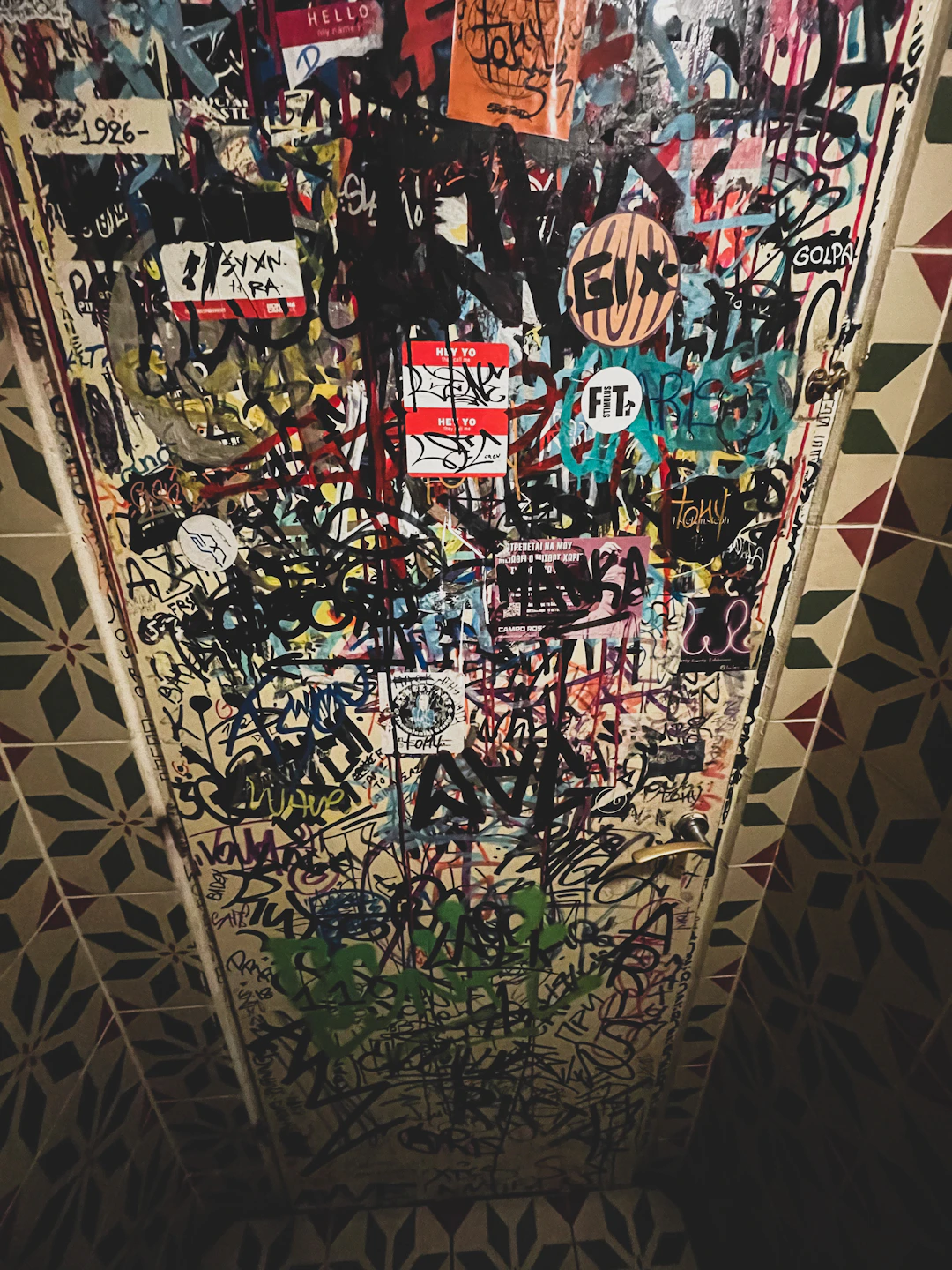
Hip hop and street art have a deep-rooted connection, both emerging from marginalized communities in the 1970s and evolving to express themes of identity, struggle, and empowerment. They influence each other through music, visuals, and collaborations, creating a powerful narrative that transcends boundaries and cultures. Today, they continue to inspire and challenge one another globally, showcasing the importance of artistic expression in social commentary and community engagement.
Contents
The Roots of Hip Hop Culture
The Birth of Street Art
Shared Themes in Hip Hop and Street Art
- The Visual Language of Hip Hop
The Evolution Over the Decades
- From 90's Rap Album Reviews to Modern Masterpieces
Rapper Ratings as an Expression of Influence
- The Importance of Collaborative Projects
Modern Hip Hop Influencing Street Art
- The Example of Today’s Rappers and Street Artists
Street Art and the Global Hip Hop Movement
- Artistic Exchange Across Cultures
Where to Explore the Intersection of Hip Hop and Street Art
- Creating Your Own Artistic Expression
More Than Just Art: A Powerful Connection
FAQs
- What is the connection between hip hop and street art?
- How did hip hop culture originate?
- Who are some influential street artists mentioned in the article?
- How have collaborations between hip hop artists and street artists evolved?
- What global impact does hip hop have on street art?
Hip hop and street art are two dynamic forms of cultural expression that have significantly influenced each other over the years. Emerging from the vibrant streets of New York City in the 1970s, both movements have transcended their original boundaries, shaping societal perspectives and transforming urban landscapes globally. In this blog post, we’ll delve deep into how these two art forms intersect and how they continue to evolve in today's world.
The Roots of Hip Hop Culture
Before we explore their connection, it’s crucial to understand the origins of hip hop. Street culture began as a response to socio-economic struggles faced by marginalized communities. As hip hop emerged, it was characterized by four main elements: rapping, DJing, breaking (dance), and graffiti art. Hip hop offered a voice to the youth and provided an avenue for them to express their feelings, thoughts, and experiences through music and art.
The Birth of Street Art
Just like hip hop, street art has roots deeply intertwined with social activism. Originating as a form of rebellion against the establishment, artists began using public spaces to create work that often carried powerful messages. This transformation from a mere form of vandalism to an accepted art form indicates its evolving significance, a narrative similar to that of hip hop. Artists like Keith Haring and Jean-Michel Basquiat led the way, pushing street art into the mainstream while often incorporating the hip hop ethos.
Shared Themes in Hip Hop and Street Art
At their core, both hip hop and street art tackle similar themes: identity, struggle, and empowerment. They provide an outlet for marginalized voices where emotions, experiences, and cultural heritage can be expressed openly. The art of graffiti often complements the themes found in hip hop lyrics, making social commentary on issues such as racial inequality, poverty, and resilience.
The Visual Language of Hip Hop
Just as hip hop music relies heavily on lyrical prowess, street art employs a visual language that speaks volumes. The bright colors and stylistic techniques commonly found in street art resonate with the beats, rhythms, and lyrical flow of rap music. Artists use various spray techniques, stencils, and styles to encapsulate the essence of the message they want to convey. This synergy becomes particularly evident when viewing murals that pay homage to hip hop legends or depict narratives from influential 90's rap albums.
The Evolution Over the Decades
As we look back at the evolution of hip hop and street art, it becomes apparent that both have grown alongside each other. The 1990s saw a significant surge in both hip hop popularity and street art visibility, with many artists using their craft to tackle social and political issues. Music videos from this era often highlighted street art as an essential backdrop, blending the two worlds seamlessly.
From 90's Rap Album Reviews to Modern Masterpieces
A treasure trove of creativity could be found in 90's rap album reviews as they explored the synergy between hip hop and other art forms. Iconic albums like Nas’s “Illmatic” and The Notorious B.I.G.’s “Ready to Die” not only showcased profound lyricism but also utilized album covers featuring surreal imagery that leaned towards street art aesthetics. These artworks solidified the connection between hip hop and visual culture, paving the way for future artists.
Similarly, the 2000s brought a fresh wave of hip hop influenced by street art. With the rise of artists like Jay-Z, Eminem, and OutKast, the genre continued to evolve, intertwining itself more with urban art movements. Their albums often incorporated visuals that merged music with the graffiti scene, solidifying their reputation as cultural icons. The album covers and marketing campaigns began to reflect artistic expressions that mirrored the street art movement.
Rapper Ratings as an Expression of Influence
With every era producing its own unique sound and message, rapper ratings have become a staple for enthusiasts looking to criticize and praise various artists’ contributions. While exploring these ratings, one can observe how ties with street art and visual aesthetics play a crucial role. The incorporation of street art visuals during performances or album covers often influences how fans perceive an artist's ethos and message. This connection reiterates the powerful influence both hip hop and street art have on shaping cultural narratives.
The Importance of Collaborative Projects
Today, the lines between hip hop and street art are even more blurred through collaborations. Projects where rappers team up with street artists can be seen across urban spaces and on social media platforms. Murals created in collaboration with musicians serve not only to beautify neighborhoods but also to tell stories and deliver messages through stunning visuals. These collaborations promote community engagement and resonate with the youth while allowing street art to thrive as a legitimate form of expression.
Modern Hip Hop Influencing Street Art
The dynamic nature of both hip hop and street art means they continue to challenge and inspire each other into the modern age. Today’s hip hop artists reference street art culture, often promoting urban artists in their music videos or through social media platforms. The connection is seen clearly in contemporary works, where graffiti has become a symbol of authenticity and rebellion associated with hip hop music.
The Example of Today’s Rappers and Street Artists
Hip hop figures often collaborate with graffiti artists to create graffiti murals that capture the spirit of their songs, creating a fusion of sound and visual art. Artists like KAWS and Banksy have gained notoriety, and hip hop stars like Travis Scott or Kendrick Lamar often reference or partner with street artists, blurring the lines between music and visual artistry. These partnerships enhance both the audio and visual experiences, making live performances and music videos a feast for the senses.
Street Art and the Global Hip Hop Movement
The connection between hip hop and street art is not limited to the boundaries of the United States but has transcended globally. Hip hop's rapid expansion across continents has influenced artists to incorporate local cultural elements in their rap and street art. Countries like France, Brazil, and South Africa have seen the birth of unique styles of street art heavily influenced by the principles of hip hop. This global movement brings together diverse voices and showcases the universal themes of struggle, identity, and hope.
Artistic Exchange Across Cultures
Visiting cities around the world offers breathtaking insights into how hip hop and street art have become a universal language. The diversity in street art reflects the rich tapestry of experiences shared within their respective cultures. As hip hop continues to embrace and promote cultural storytelling, street artists are constantly inspired to rise and remix artistic practices that mirror those narratives. This exchange becomes apparent in the lyrics of global hip hop and the various regional styles of street art that can be found on city walls.
Where to Explore the Intersection of Hip Hop and Street Art
If you’re intrigued by the captivating connection between hip hop and street art, consider exploring local neighborhoods known for their vibrant street art scenes. Areas such as the South Bronx in New York City or Wynwood Walls in Miami showcase murals dedicated to hip hop culture. Museums and galleries often feature exhibitions that highlight the synergy of these two art forms, making it easy for everyone to appreciate their interplay.
Creating Your Own Artistic Expression
Feeling inspired? Why not harness the essence of hip hop and street art in your creative endeavors? Engage in writing your own lyrics that convey your personal story or try your hand at creating artwork that represents your vision. Both art forms have always encouraged innovation and self-expression, so don’t hesitate to dive into the world of creativity. Every voice matters, and your story deserves to be told.
More Than Just Art: A Powerful Connection
The connection between hip hop and street art transcends beyond aesthetics; it encompasses powerful themes of community, identity, and social commentary. Both art forms have woven themselves into the fabric of our culture, continuously inspiring generations to express their truths. Whether you appreciate 90's rap albums or dive into 2000's rap album reviews, it’s the essence of the art that resonates with the soul. The narratives told through both hip hop and street art serve as a reminder that art is a vehicle for change, healing, and connection among diverse communities.
As we embrace the evolution of these art forms, one thing remains certain: hip hop and street art will continue to communicate and inspire, igniting passion and creativity in every corner of the globe.
FAQs
What is the connection between hip hop and street art?
Hip hop and street art have significantly influenced each other, emerging from the streets of New York City in the 1970s and tackling themes of identity, struggle, and empowerment.
How did hip hop culture originate?
Hip hop culture originated as a response to socio-economic struggles faced by marginalized communities, characterized by four main elements: rapping, DJing, breaking (dance), and graffiti art.
Who are some influential street artists mentioned in the article?
Keith Haring and Jean-Michel Basquiat are noted as influential street artists who helped push street art into the mainstream.
How have collaborations between hip hop artists and street artists evolved?
Collaborations between hip hop artists and street artists have become more prevalent, creating murals that beautify neighborhoods and tell stories, promoting community engagement.
What global impact does hip hop have on street art?
Hip hop's rapid expansion across the globe has influenced local artists to incorporate their cultural elements into rap and street art, creating unique styles that reflect universal themes.