Overview
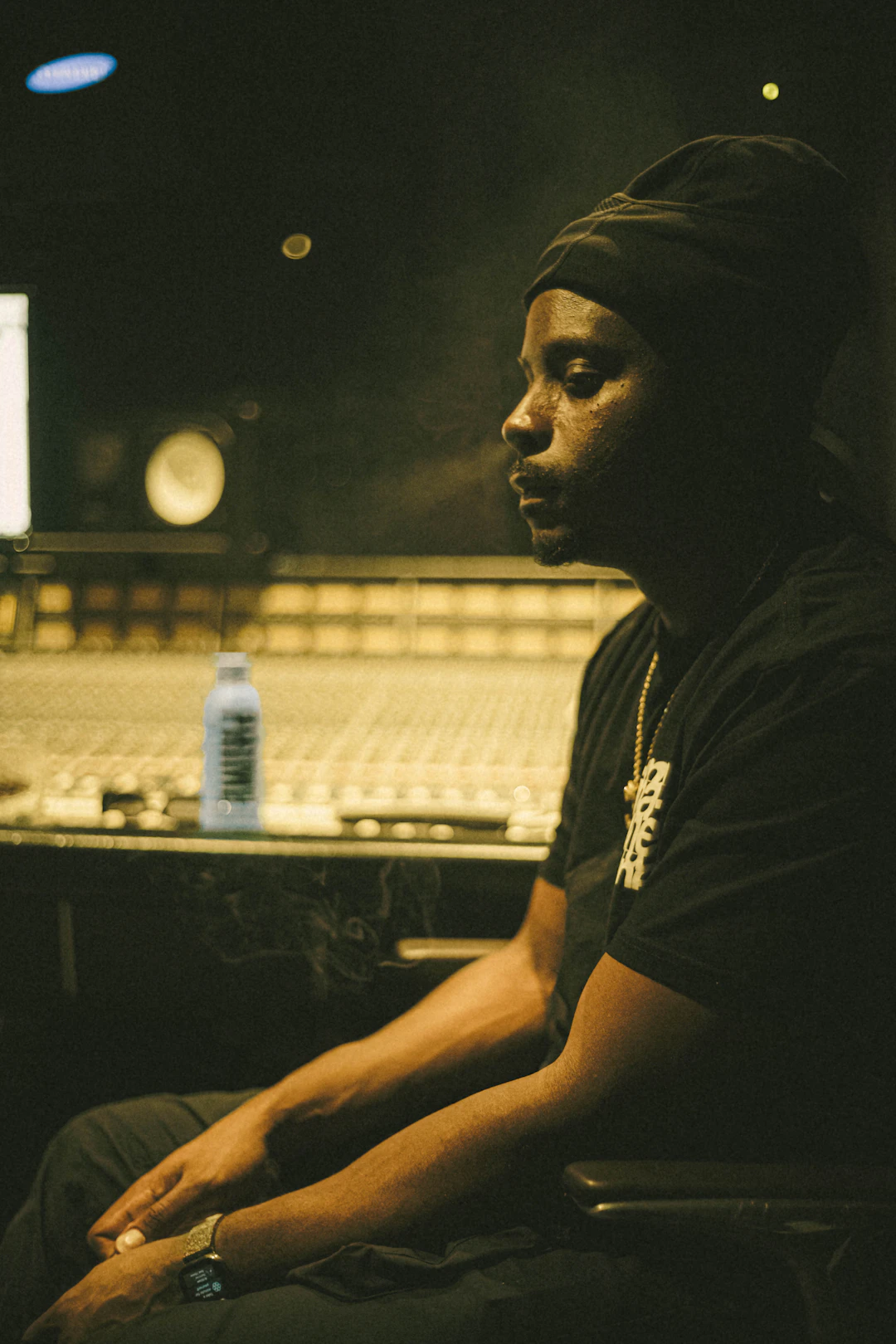
Producers are crucial to hip hop, shaping its sound and culture through innovative techniques and collaboration with artists. They have evolved from sampling in the 90s to using advanced technology today, influencing trends and creating opportunities for new talent. Recognizing their contributions is essential for understanding hip hop's past and future.
Contents
The Evolution of Production in Hip Hop
- The Sampling Era
- Advancement in Technology
Producers as Collaborators
- Building the Beat
- Arranging the Track
The Impact of Production on Sound and Style
- Signature Sounds
Producers: The Cultural Architects
- The Influence on Trends
- Creating Opportunities for Artists
The Modern Producer's Role
- Use of Social Media and Streaming Platforms
- Embracing Innovation
Educational Value in Production
- The Balance of Creativity and Business
Celebrating Producers: Acknowledging Their Contributions
- Documenting Their Legacy
A Lasting Impact on Hip Hop Culture
- In Closing: The Beat Goes On!
FAQs
- What is the role of producers in the hip hop industry?
- How has hip hop production evolved over the years?
- What impact do producers have on hip hop trends and culture?
- How do producers collaborate with artists?
- Why is it important to acknowledge the contributions of producers in hip hop?
The world of hip hop is a vibrant tapestry woven from beats, rhymes, and lyrical prowess. While many enthusiasts focus on the artists themselves—the rappers who deliver the tracks—it's essential to acknowledge the pivotal role that producers play in shaping the sound and culture of hip hop. The producers are the masterminds behind the beats, creating the sonic landscapes that allow the artists to shine. In this article, we’ll explore the multifaceted role of producers in the hip hop industry, their influence on the genre, and how they have become an integral part of hip hop culture.
The Evolution of Production in Hip Hop
To understand the role of producers today, we first need to delve into the evolution of hip hop production. The genre began in the late 1970s and early 1980s when DJs would loop beats from funk and disco records, engaging audiences with steady rhythms. As hip hop grew in popularity, so did the complexity of production techniques. From the sampling era of the 90s to the advanced digital production capabilities of today, producers have consistently pushed the envelope of creativity.
The Sampling Era
The late 80s and 90s marked a revolutionary time in hip hop, commonly referred to as the golden age. During this period, producers like DJ Premier and Pete Rock became legends by using samples from classic records to create fresh beats. These producers were not only responsible for the sound but also played a significant role in crafting the narratives that defined 90's rap album reviews.
Advancement in Technology
As technology advanced, so did the techniques used by producers. The advent of digital audio workstations (DAWs) enabled complex arrangements, sound layering, and innovative effects, thus transforming the landscape of hip hop. This shift allowed producers like Timbaland and Pharrell Williams to create hits that would dominate the charts and be critically acclaimed, paving the way for 2000's rap album reviews that showcased their groundbreaking work.
Producers as Collaborators
In the hip hop industry, collaboration is key. Producers often work closely with artists to develop a sound that complements their unique style. This collaborative spirit transforms the creative process into something dynamic, where ideas flow freely between artists and producers, leading to iconic tracks and unforgettable albums.
Building the Beat
The beat forms the backbone of any hip hop track. Producers experiment with different sounds, instruments, and samples to craft a compelling beat. When a rapper steps into the booth, they do so with the solid foundation laid by the producer. The producer’s ability to create an engaging sonic atmosphere influences how the rapper expresses themselves, which is a critical element in rapper ratings.
Arranging the Track
Beyond creating the beat itself, producers are deeply involved in arranging the elements of a track. They decide on the structure—where verses, choruses, and bridges occur, enhancing the overall flow of the song. This arrangement significantly impacts how listeners perceive the music, and many hip hop albums reviews highlight exemplary arrangements that elevate the entire listening experience.
The Impact of Production on Sound and Style
The production style can often define the era of hip hop and the artists’ sound. For example, the G-Funk style of the West Coast, characterized by its slow, laid-back vibes and heavy bass, created waves in the hip hop industry during the 90s. Artists like Dr. Dre epitomized this era, producing tracks that would be reviewed in numerous 90's rap album reviews.
Signature Sounds
Each producer tends to develop a signature sound that sets them apart from the others. This unique sound can become synonymous with the artist they collaborate with, enhancing their brand and identity in the industry. From the minimalist beats of J Dilla to the maximalist productions of DJ Khaled, each producer's style contributes to shaping the landscape of hip hop. When fans review albums, they often look for these distinguishing characteristics, leading to more nuanced rapper ratings.
Producers: The Cultural Architects
Beyond just crafting beats, hip hop producers serve as cultural architects. They channel the stories, struggles, and triumphs of their communities into the music. This cultural expression is paramount in hip hop, as it has its roots in social commentary and the sharing of personal experiences. The beats produced are not just audio; they are a voice for the artist and, by extension, their community.
The Influence on Trends
Producers often have their fingers on the pulse of what’s happening culturally and socially. Their ability to fuse trendy sounds with traditional elements can create a new wave of hip hop. For instance, the blending of trap sounds with lyrical prowess has redefined the genre in the last decade and has led to a surge in popularity reflected in various hip hop albums reviews.
Creating Opportunities for Artists
For many aspiring rappers, collaborating with an established producer can be a springboard to fame. Producers often have extensive networks within the industry, and their backing can open doors and pave the way for fresh talent. Producers like Metro Boomin have been instrumental in introducing new artists who have gone on to become household names in hip hop.
The Modern Producer's Role
As we move further into the digital age, the role of producers continues to evolve. With the rise of the internet, producers have new platforms to showcase their work and collaborate with artists globally. The industry has become more accessible, allowing independent producers to thrive and significantly influence the hip hop scene.
Use of Social Media and Streaming Platforms
Today, social media platforms are essential for promoting music and connecting with fans. Producers use these platforms not only to market their projects but also to engage directly with listeners. This direct interaction helps in gathering valuable feedback and shaping their future work, ultimately influencing the quality of the hip hop albums that consumers rave about.
Embracing Innovation
Producers are at the forefront of technological innovation in music. Many independent producers experiment with virtual instruments, sound design, and AI-assisted production tools. This innovation pushes the boundaries of what is possible in hip hop, leading to fresh ideas that continually redefine the genre, paving the way for new discussions in rapper ratings.
Educational Value in Production
In the age of information, many producers are now sharing their knowledge through tutorials, online courses, or workshops. This education helps aspiring musicians understand the intricacies of music production, thus raising the overall quality of hip hop music. As more individuals understand the technical aspects of producing, they can create art that resonates with wider audiences, effectively enriching the variety of music available for hip hop albums reviews.
The Balance of Creativity and Business
While creativity is paramount, producers also wear the hat of a businessperson. Understanding the music industry’s complex nature—be it through contracts, royalties, or licensing—is crucial to a producer’s success. Balancing artistic expression with business acumen allows producers to position themselves as vital players within the hip hop arena.
Celebrating Producers: Acknowledging Their Contributions
Despite the vital role producers have in the hip hop industry, they often remain in the shadows behind the artist. This oversight is becoming less common as the industry evolves, with many producers now being celebrated for their artistry, creativity, and contributions to the genre. Grammy nominations for producers and highlights in mainstream media signify progress in recognizing the importance of these musical innovators.
Documenting Their Legacy
Just as hip hop fans review digital tracks and albums from their favorite rappers, it’s equally essential to look at the accolades and achievements of producers. Biographies, documentaries, and retrospective album reviews highlight the efforts of these trailblazers, ensuring their contributions are not forgotten or underestimated.
A Lasting Impact on Hip Hop Culture
Ultimately, the role of producers in the hip hop industry cannot be overstated. They bring creativity, technical skill, and cultural consciousness to the forefront of the music. A producer’s work impacts not just the sound of a track but also the trajectory of an entire genre. Their signature beats, innovative techniques, and ability to collaborate with artists are vital components that make hip hop a continually evolving and impactful force in music and culture.
In Closing: The Beat Goes On!
As hip hop continues to evolve, so will the role of producers. Recognizing their contribution is essential not only for celebrating hip hop history but also for understanding the genre's future. The next time you listen to your favorite track, take a moment to appreciate the artistry behind the scenes—the producers who orchestrate the beats that move our bodies and resonate with our hearts. The legacy of hip hop is a collective effort, and the beat goes on, thanks to these unsung heroes.
FAQs
What is the role of producers in the hip hop industry?
Producers are the masterminds behind the beats, creating the sonic landscapes that allow artists to shine. They shape the sound and culture of hip hop through their creative techniques and collaborations.
How has hip hop production evolved over the years?
Hip hop production has evolved from DJs looping beats in the late 70s and 80s to complex production techniques with the advent of digital audio workstations, allowing for more creativity and innovation.
What impact do producers have on hip hop trends and culture?
Producers influence trends by fusing traditional sounds with contemporary elements, often becoming cultural architects who channel the stories and struggles of their communities into music.
How do producers collaborate with artists?
Producers work closely with artists to develop a sound that complements their unique style, transforming the creative process into a dynamic exchange of ideas, leading to iconic tracks.
Why is it important to acknowledge the contributions of producers in hip hop?
Acknowledging producers is essential for recognizing their artistry and impact on the genre, as they play a crucial role in shaping the sound, style, and cultural narrative of hip hop.