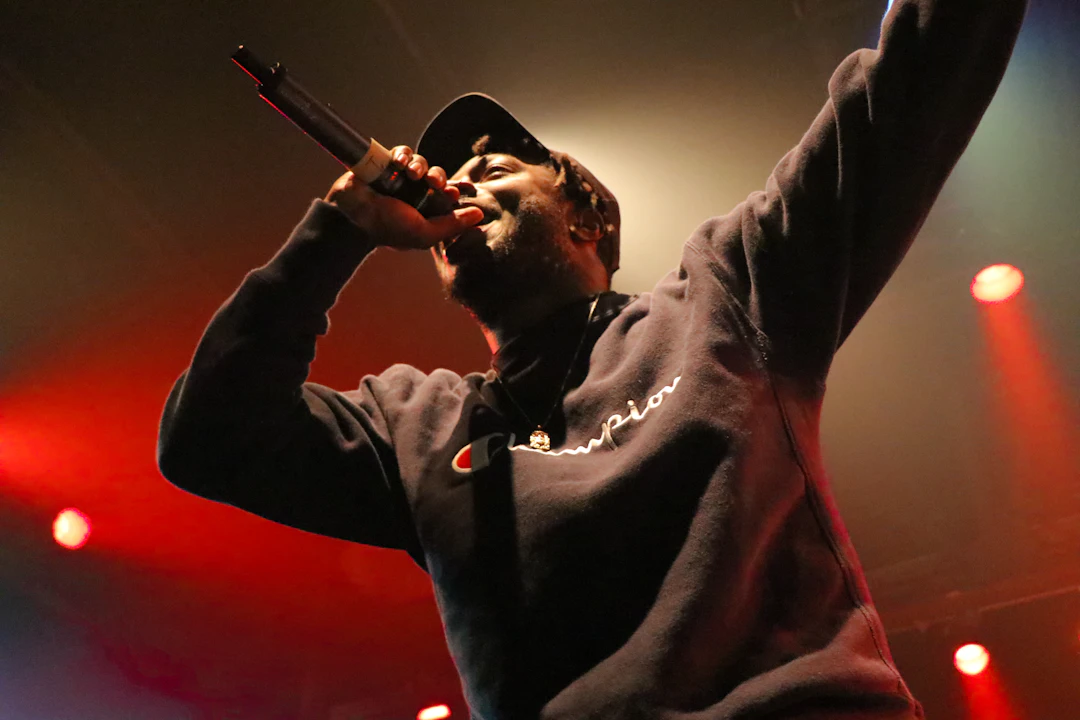
Overview
The blog explores the evolution of rap music from its origins in the 1970s Bronx to today's diverse landscape. Key figures like Tupac, Biggie, Eminem, Kendrick Lamar, and Drake have shaped the genre, addressing social issues and pushing artistic boundaries. The impact of technology on music distribution and the emergence of new artists suggest a promising future for rap, which continues to serve as a powerful medium for self-expression and storytelling.
Contents
The Birth of Hip Hop Culture
Early Pioneers: The 1980s and 1990s
- Unpacking Tupac's Influence
- Biggie's Unique Flow
The Golden Era: Emergence of New Styles
- Eminem: Breaking the Mold
The Rise of the Modern Era: Influential Artists and Styles
- Drake: Bridging Genres
- Kendrick Lamar: The Modern Poet
The Role of Technology in Evolution
The Future of Rap: What's Next?
- New Voices on the Horizon
From the Streets to the Global Stage
FAQs
- What is the origin of rap music?
- Who are some key figures in the evolution of rap?
- What characterized the Golden Era of rap music?
- How has technology impacted the evolution of rap?
- What does the future hold for rap music?
The world of rap music is a unique and vibrant tapestry woven from the threads of culture, society, and artistic expression. From its birth in the Bronx in the 1970s to the powerful anthems of today's generation, rap has continually evolved, reflecting the changes in its surroundings and the artists that shape it. In this comprehensive journey, we will explore the remarkable evolution of rap, focusing on iconic figures such as Kendrick Lamar, Drake, J. Cole, Eminem, and Tupac, and how they have influenced this genre.
The Birth of Hip Hop Culture
Rap music emerged from the vibrant nightlife of the 1970s, rooted deeply in African American culture. DJs would mix records at block parties, creating a rhythmic backdrop for MCs to vocalize their words to the beat. The lively sound and engaging performance style quickly gained traction, leading to the formation of hip-hop culture, which included not just music but also breakdancing, graffiti art, and a unique fashion sense.
Early Pioneers: The 1980s and 1990s
As the genre developed, key figures began to shape rap music into what we know today. Artists like Tupac and Biggie Smalls broke ground with their storytelling and social commentary, bringing a depth to rap that resonated with listeners. The East Coast vs. West Coast rivalry highlighted the competitive nature of the genre and led to some of the most legendary battles and music of the time.
Unpacking Tupac's Influence
Tupac, with his intense lyrics and powerful message, addressed important issues such as racism, poverty, and violence. His ability to narrate personal experiences combined with thoughts on societal challenges captivated audiences, leaving an indelible mark on the genre. Songs like "Changes" and "Dear Mama" are timeless pieces that continue to influence aspiring artists.
Biggie's Unique Flow
On the flip side, Biggie Smalls brought his unique flow and storytelling style to the East Coast, rivaling Tupac's impact. His debut album "Ready to Die" introduced a new level of lyricism and conceptual depth to rap that resonated widely.
The Golden Era: Emergence of New Styles
The late 1990s and early 2000s marked a significant turning point in the evolution of rap. During this time, several new styles and sub-genres developed, allowing artists to explore different sounds and themes. This was also the beginning of mainstream appeal for rap music, with artists like Eminem making significant waves.
Eminem: Breaking the Mold
Eminem challenged stereotypes as one of the first white rappers to achieve massive success in a predominantly African American genre. His raw, unfiltered lyrics and distinctive storytelling style captivated audiences worldwide. Songs like “Lose Yourself” and “Stan” not only showcased his lyrical adeptness but also his ability to connect with listeners on a personal level.
The Rise of the Modern Era: Influential Artists and Styles
The 2010s saw a new wave of rap artists that embraced and built upon the foundation set by their predecessors. Iconic figures such as Drake and Kendrick Lamar emerged, bringing fresh perspectives and sounds that left a lasting impact. Their unique styles have continued to challenge the norms of rap, pushing creative boundaries and reaching massive global audiences.
Drake: Bridging Genres
Drake has been particularly influential in bridging rap and pop music, often incorporating R&B, dancehall, and even rock elements into his tracks. This versatility has allowed him to reach a wider audience and dominate the charts consistently. Tracks like “God’s Plan” and “In My Feelings” showcase his ability to blend catchy hooks with rap, earning him a diverse fan base.
Kendrick Lamar: The Modern Poet
Kendrick Lamar, on the other hand, represents a return to deeper lyricism and social consciousness in rap. His albums, particularly “To Pimp a Butterfly” and “DAMN.,” challenge listeners to ponder complex themes of race, identity, and the struggles of life in America. His narrative-driven lyrics have not only garnered critical acclaim but also secured a prominent place in contemporary discussions on social justice and inequality.
The Role of Technology in Evolution
As rap has evolved, so has the technology through which it is created and consumed. Digital platforms have transformed how artists distribute their music, engage with fans, and promote their work. Social media, music streaming services, and online video platforms have become indispensable tools for artists. Emerging rappers can now reach global audiences without the need for traditional record labels.
The Future of Rap: What's Next?
As we look ahead, the future of rap appears promising. With a new generation of artists emerging, the genre is likely to continue evolving. The influence of global cultures may introduce new sounds and styles, further diversifying the landscape. Additionally, as societal issues evolve, so will the themes and messages conveyed through rap music.
New Voices on the Horizon
J. Cole: Known for his introspective lyrics and production skills, has played a significant role in the modern rap scene, promoting authenticity and personal growth.
Emerging artists like Lil Baby and Megan Thee Stallion are already making waves, bringing fresh sounds and perspectives to the forefront of hip hop.
The globalization of rap will likely continue, with international artists from various backgrounds contributing their own stories and experiences, enriching the genre as a whole.
From the Streets to the Global Stage
In conclusion, the evolution of rap music is a testament to its resilience and adaptability. Figures like tupac, Eminem, Drake, Kendrick Lamar, and J. Cole have each played a pivotal role in shaping the genre and addressing the issues that resonate deeply within our society. As rap continues to evolve, one thing remains clear: it is more than just music; it is a powerful medium for self-expression, storytelling, and social connection. The journey of rap is far from over, and its future holds infinite possibilities. The beat goes on, and we can't wait to see where it takes us next!
FAQs
What is the origin of rap music?
Rap music originated in the Bronx in the 1970s, deeply rooted in African American culture, where DJs mixed records at block parties to create a rhythmic backdrop for MCs.
Who are some key figures in the evolution of rap?
Key figures in the evolution of rap include Tupac, Biggie Smalls, Eminem, Kendrick Lamar, Drake, and J. Cole, each contributing their unique styles and perspectives to the genre.
What characterized the Golden Era of rap music?
The Golden Era of rap music, marked by the late 1990s and early 2000s, saw the emergence of new styles and sub-genres, which led to mainstream appeal and the rise of significant artists like Eminem.
How has technology impacted the evolution of rap?
Technology has transformed how rap music is created and consumed, with digital platforms allowing artists to distribute their music and engage with global audiences without the need for traditional record labels.
What does the future hold for rap music?
The future of rap looks promising, with new generations of artists likely to introduce diverse sounds and themes that address evolving societal issues, further enriching the genre.