Overview
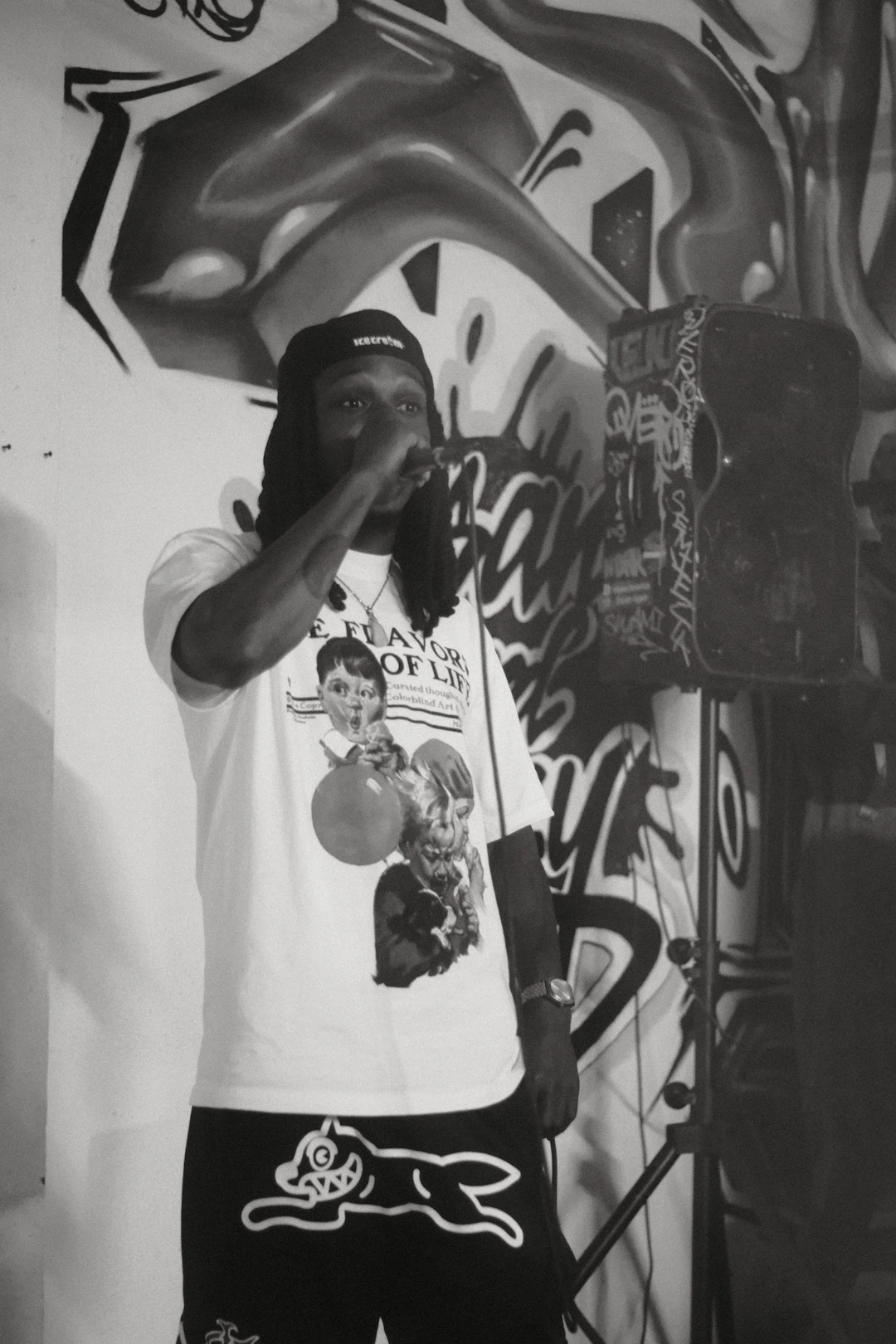
Freestyling is a crucial skill in rap music that showcases a rapper's creativity and connection to the audience. Originating in the 1970s and 1980s, it involves spontaneous expression and various techniques, making it a vital part of hip hop culture. Freestyling is prominent in rap battles and has evolved with modern platforms, allowing artists to connect with fans. While legends like Jay-Z and Eminem are known for their freestyle prowess, nurturing this art form is essential for the future of hip hop, promoting creativity and community engagement.
Contents
A Historical Perspective on Freestyling
Freestyling as a Form of Expression
The Techniques Behind Freestyling
Freestyling in the Battle Scene
Freestyling and the Evolution of Hip Hop
Freestyle Legends in the Making
Creating a Freestyle Culture
Why Freestyling Is Timeless
Common Misconceptions
The Future of Freestyling
The Enduring Legacy of Freestyling
FAQs
- What is freestyling in rap culture?
- What historical significance does freestyling have in hip hop?
- What techniques are involved in successful freestyling?
- How does freestyling play a role in rap battles?
- Why is freestyling considered timeless in hip hop?
In the vast and dynamic world of rap music, few skills are as revered and as essential as the art of freestyling. Rooted deeply in the culture of hip hop, freestyling not only showcases a rapper's lyrical dexterity but also reflects their creativity, spontaneity, and connection to the audience. Understanding its significance within rap culture is crucial for both fans and aspiring artists alike. This article will explore the importance of freestyling in rap, diving into its history, techniques, and its undeniable impact on the genre.
A Historical Perspective on Freestyling
The origins of freestyling can be traced back to the early days of hip hop in the 1970s and 1980s. Pioneers such as Grandmaster Flash and Kool Herc laid the foundation for a culture that celebrated rhythm and rhymes. Freestyling emerged as a way for MCs to showcase their lyrical prowess and engage with the audience. It became a staple at block parties and competitions, forging a sense of camaraderie among artists. By the time the 90's rap album reviews began to hit the airwaves, freestyling was cemented as a crucial component of hip hop culture.
Freestyling as a Form of Expression
At its core, freestyling is a form of spontaneous expression. Unlike written verses that undergo meticulous revisions, freestyles demand on-the-spot creativity. The ability to construct verses spontaneously pushes rappers to think quickly and articulate their thoughts in real-time. This spontaneity gives freestyling an organic quality that resonates with listeners, making it more impactful and relatable. Under pressure, artists must dig deep into their emotional reservoir, adding depth and authenticity to their performances.
The Techniques Behind Freestyling
Many may think that freestyling is just about throwing words together. However, successful freestyling encompasses various techniques. Some of these include:
Wordplay: Incorporating puns and clever word combinations.
Flow: Mastering the cadence and rhythm of delivery.
Content: Creating meaningful narratives or themes.
Call and Response: Engaging with the audience to create a participatory experience.
These techniques can be observed in numerous performances, and while reviews of the best hip hop albums often focus on structure and lyricism, freestyling reveals a different layer of a rapper's artistry.
Freestyling in the Battle Scene
One of the most electrifying aspects of freestyling is its role in rap battles. These events allow artists to directly compete against one another, showcasing their skills and creativity on the fly. Battle rappers must think quickly, rebutting their opponent's lines with striking originality. The high stakes of battle rap not only heighten the excitement but also display the unique ability of freestylers to twist words and concepts into powerful disses and lyrical attacks.
In the context of battle rap, freestyling often becomes a rite of passage. Many iconic rappers trace their roots back to the battle scene, where they honed their skills and paved the path to success. By reading reviews of 2000's rap album releases, one can often catch references to an artist's battle experience, which adds an authentic dimension to their overall work.
Freestyling and the Evolution of Hip Hop
As hip hop continues to evolve, so does the art of freestyling. In the modern era, platforms such as YouTube, Instagram, and TikTok have given rise to viral rap challenges, allowing freestylers to showcase their talent to a broader audience. These digital spaces have also opened up the competitive scene, as artists engage in friendly competitions online.
Moreover, many mainstream artists today often incorporate freestyling into their promotional strategies. By participating in freestyle sessions, they not only demonstrate their lyrical capabilities but also foster an authentic connection with their audience. This connection is critical when it comes to rapper ratings, as fans gravitate toward artists who seem accessible and relatable.
Freestyle Legends in the Making
It’s important to acknowledge some legendary figures in the realm of freestyling. Artists like Jay-Z, Eminem, and Nas are renowned not only for their studio albums but also for their incredible freestyle skills. Their ability to improvise while maintaining lyrical quality sets high standards for both emerging and established rappers.
Analyzing reviews of their work, such as hip hop albums reviews from various eras, showcases how these artists skillfully transitioned between freestyle and meticulously crafted verses in their albums. This versatility has often played a pivotal role in garnering higher rapper ratings, enhancing their legacies in the hip hop community.
Creating a Freestyle Culture
Fostering a culture that values freestyling is essential for the growth of hip hop. This culture allows newer generations of artists to learn and innovate within the space. Open mics, cyphers, and freestyle contests provide platforms for aspiring artists to test their skills, while also bringing the community together.
Education is a vital aspect of this culture. Workshops and seminars focusing on freestyling can help young artists refine their craft. Learning from the seasoned professionals who have paved the way can offer invaluable insights into not only the techniques of freestyling but also the culture of hip hop as a whole.
Why Freestyling Is Timeless
What makes freestyling particularly timeless is its ability to adapt. The core of freestyling transcends generations, reflecting contemporary issues while remaining rooted in hip hop's historical context. For instance, freestyles today commonly address societal themes, personal struggles, and cultural dynamics, making them relevant to modern audiences. As we explore various 90's rap album reviews, it becomes evident that the topics addressed during that time are still prevalent today, showcasing the cycle of influence that freestyling offers.
Common Misconceptions
Despite its significance, there are some misconceptions surrounding freestyle rapping. One common myth is that you must have perfect execution all the time. Freestyling inherently carries a level of imperfection, and that’s what makes it beautiful. It is essential for an artist to embrace the mistakes made during live performances. Often, these imperfections can lead to moments of hilarity or groundbreaking creativity that resonate with audiences.
Additionally, many believe that freestyling must adhere to a strict format. While structures can be helpful to get started, great freestylers know that creativity knows no bounds and that a freestyle can follow personal interpretations and themes.
The Future of Freestyling
As the hip hop scene evolves, the future of freestyling looks bright. With the continuous surge of online platforms, new challenges, and competitions are emerging, empowering new voices and fostering an even more diverse range of talent. Moreover, as it intertwines more with significant changes in social media and digital engagement, freestyling is set to break down global barriers, drawing on influences from various cultures and styles.
It's essential for both fans and artists to recognize the importance of nurturing this art form. Participating in cyphers, attending live events, and supporting emerging talents can all contribute to keeping the spirit of freestyling alive. The next wave of rappers is undoubtedly influenced by the legends before them, and yet their fresh perspectives will continue to shape the landscape of hip hop.
The Enduring Legacy of Freestyling
Freestyling remains a vibrant and vital aspect of rap culture, influencing the genre from its inception to its current evolution. This art form symbolizes creativity, resilience, and connection—qualities that every aspiring rapper should embrace. By recognizing the role of freestyling in shaping the narrative of hip hop, artists and fans alike can better appreciate the vibrant culture surrounding the music they love. With every freestyle, a new story unfolds—crafting a legacy that continues to inspire. Let's celebrate this improvisational magic and keep the spirit of freestyling alive for generations to come!
FAQs
What is freestyling in rap culture?
Freestyling is a spontaneous form of expression in rap that showcases a rapper's lyrical skills and creativity without pre-written lyrics.
What historical significance does freestyling have in hip hop?
Freestyling originated in the 1970s and 1980s, becoming a critical part of hip hop culture, especially during block parties and competitions.
What techniques are involved in successful freestyling?
Successful freestyling includes techniques like wordplay, flow, content creation, and audience engagement through call and response.
How does freestyling play a role in rap battles?
In rap battles, freestyling allows artists to compete against each other, showcasing their creativity and quick thinking in responding to opponents.
Why is freestyling considered timeless in hip hop?
Freestyling is timeless because it adapts to contemporary issues while remaining grounded in hip hop's historical context, addressing relevant themes for modern audiences.