Overview
The blog explores the dynamic relationship between hip hop and technology, highlighting how digital platforms, streaming services, and production innovations have transformed the genre. It discusses the impact of social media on artist-fan interactions, the future potential of AI and VR in music, and hip hop's role in social change. Overall, it emphasizes the ongoing evolution of hip hop as it integrates with technological advancements.
Contents
The Rise of Digital Platforms in Hip Hop
- Streaming's Influence on Hip Hop
Production Technology: The Sound of Innovation
- Case Study: The Lasting Impact of 90's and 2000's Rap Albums
Social Media: A Game Changer for Hip Hop Artists
- The Power of Virality
The Future of Hip Hop and Technology
- The New Age of Collaboration
Hip Hop's Cultural Impact
Final Thoughts: Where Beats and Bytes Meet
FAQs
- How has technology influenced the hip hop genre?
- What role do digital platforms play in hip hop today?
- How does social media impact hip hop artists and their fans?
- What innovations in technology have changed music production for hip hop?
- What is the future of hip hop and technology?
In today’s evolving era of music, the relationship between hip hop and technology has become increasingly significant. The fusion of these two dynamic worlds not only shapes the production of music but also influences how fans interact with their favorite artists and discover new sounds. In this blog post, we’ll delve into the fascinating interaction between hip hop and technology, exploring how advancements in tech have revolutionized the genre and how the genre has, in turn, influenced technological innovation.
The Rise of Digital Platforms in Hip Hop
Over the past few decades, the way we consume music has changed dramatically. Gone are the days when we relied solely on radio airplay or physical CDs to enjoy our favorite tunes. The emergence of digital platforms has completely reshaped the hip hop landscape.
In the early 2000s, platforms like MySpace opened doors for budding artists to share their music without corporate backing. This democratization led to an explosion of underground hip hop and helped launch the careers of numerous now-iconic artists. Digital platforms like SoundCloud, Spotify, and Apple Music have since taken the reins, allowing fans around the globe to access an incredible range of hip hop music, from classic 90's rap albums reviews to the latest 2000's rap album reviews.
Streaming's Influence on Hip Hop
Streaming services have been particularly influential in the hip hop genre. Ratings systems within these platforms allow fans to share their rapper ratings through streaming play counts and playlists. Artists can analyze which songs resonate most with audiences, leading to more data-driven decision-making in album production. Now, artists can see how their tracks are performing in real-time and adjust marketing strategies accordingly.
Production Technology: The Sound of Innovation
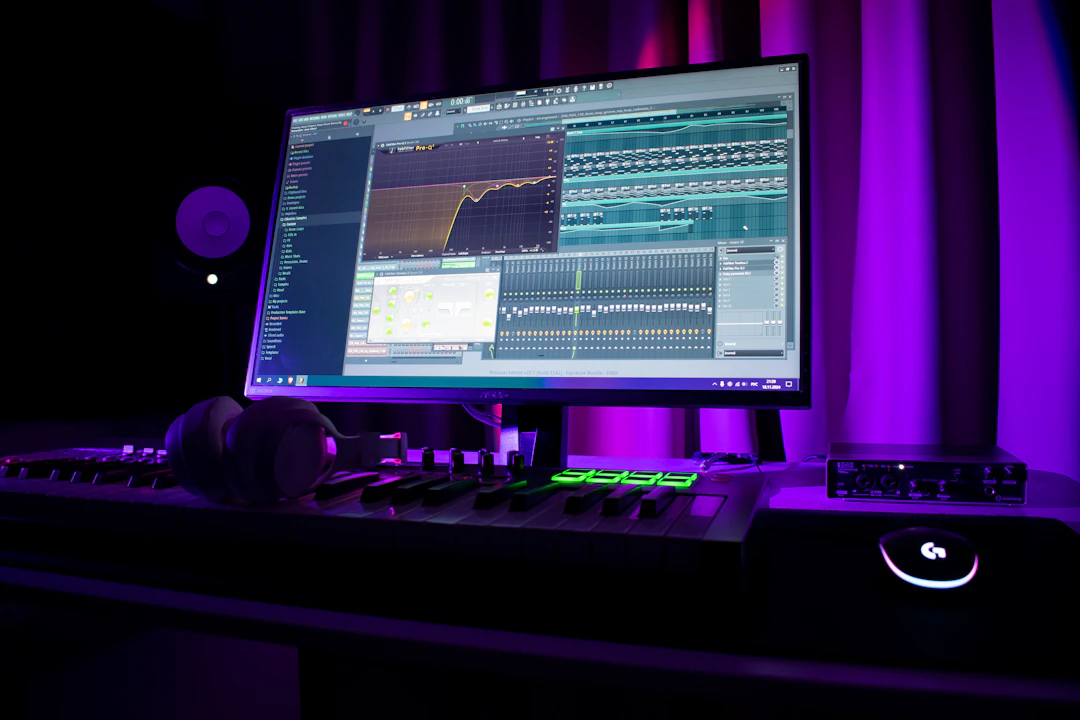
The technological innovations in music production have drastically changed the way hip hop sounds today. From sampling to electronic beats, technology provides producers with limitless creative possibilities. In the golden era of hip hop, the 1990s, the sampling technique became key. Today, digital audio workstations (DAWs) like FL Studio, Ableton Live, and Logic Pro allow producers to manipulate sound in ways that were previously unimaginable.
Moreover, the rise of software plugins has enhanced the quality of production. Artists experimenting with various sounds can create anything from lo-fi beats to polished, radio-ready tracks. These advancements have given birth to new sub-genres within hip hop that cater to diverse audiences.
Case Study: The Lasting Impact of 90's and 2000's Rap Albums
The roots of today’s hip hop can be traced back to the influential artists of the 90s and 2000s. When examining 90’s rap album reviews and 2000's rap album reviews, we find an abundance of classics that have set the standard for what hip hop can achieve. Albums like “Life After Death” by The Notorious B.I.G. and “The Chronic” by Dr. Dre didn’t just change hip hop; they defined the genre.
“The Slim Shady LP” - Eminem
“Ready to Die” - The Notorious B.I.G.
“Stankonia” - OutKast
These masterpieces often receive high rapper ratings due to their lyrical depth and innovative production techniques. The evolution of hip hop from these albums can be seen in contemporary artists who draw inspiration from their predecessors while pushing the boundaries further through technological means.
Social Media: A Game Changer for Hip Hop Artists
Social media has transformed how artists connect with fans. Platforms like Instagram, Twitter, and TikTok allow artists to share behind-the-scenes content and engage directly with listeners. Fans can leave comments, react to posts, and share their thoughts on hip hop albums reviews. This shift has created a community of fans who feel more connected to the artists they admire.
Artists can now test new material by sharing snippets or engaging in challenges and trends. The rapid feedback loop enabled by social media allows artists to gauge their audience's reactions and make adjustments to their work even before an album is released.
The Power of Virality
From “Old Town Road” by Lil Nas X to “Savage” by Megan Thee Stallion, social media has enabled tracks to go viral in ways never before possible. These artists gained recognition not only through traditional means but by harnessing the power of social media platforms, where the youth culture thrives. Viral hits often come from collective audience engagement, and hip hop artists have led the charge in leveraging these platforms for success.
The Future of Hip Hop and Technology
As we look ahead, the intersection of hip hop and technology shows no signs of slowing down. Virtual reality (VR) and augmented reality (AR) are set to change how fans experience live shows and interact with their favorite artists. Imagine attending a concert from the comfort of your living room, feeling as though you’re truly in the front row.
Furthermore, artificial intelligence (AI) is starting to play a role in music production and songwriting. AI-driven tools can analyze trends within hip hop to generate beats and lyrics, providing artists with new creative avenues. This could lead to collaborations between humans and machines, resulting in entirely new forms of music and expression.
The New Age of Collaboration
Another exciting aspect of this intersection is collaboration. With artists from different genres and backgrounds, technology has allowed for cross-genre collaborations that push the boundaries beyond hip hop. The ability to easily share files and communicate through platforms like Dropbox and Zoom has led to fascinating projects between rappers, rock bands, and electronic musicians.
Travis Scott and Kid Cudi - Their work exemplifies genre-blending
Post Malone and Ozzy Osbourne - A successful example of breaking barriers
Hip Hop's Cultural Impact
Beyond its musical influence, hip hop has the power to impact social change. Artists often use their platforms to raise awareness about social issues, speak out against injustice, and influence public perception. Technological advancements have amplified this impact, providing a larger canvas for artists to express their views and galvanize their audience.
Through online campaigns, artists can mobilize fans and create movements that resonate far beyond the walls of the music industry. As hip hop continues to evolve, its role as a tool for social change remains vital.
Final Thoughts: Where Beats and Bytes Meet
The intersection of hip hop and technology creates a vibrant tapestry that continues to evolve and inspire. As we explore both 90's rap album reviews and 2000's rap album reviews, we see a rich legacy of innovation that has transformed the genre forever. With advancements in digital platforms, production technology, social media, and more, the future of hip hop looks bright and promising.
As fans and lovers of hip hop, it's essential to embrace not just the music but the culture surrounding it. Keep your ears tuned to the rhythm of innovation as tech and hip hop continue to sync up, crafting a new era of sound that captivates listeners around the world. Stay motivated, celebrate the past, and look forward to the groundbreaking developments to come!
FAQs
How has technology influenced the hip hop genre?
Technology has revolutionized hip hop by changing music production methods, enhancing the consumption of music through digital platforms, and facilitating direct interaction between artists and fans.
What role do digital platforms play in hip hop today?
Digital platforms like SoundCloud, Spotify, and Apple Music have reshaped how fans access hip hop music, allowing new artists to share their work and gain exposure without traditional corporate backing.
How does social media impact hip hop artists and their fans?
Social media enables hip hop artists to connect directly with fans, share content, and receive immediate feedback, creating a more engaged community around their music.
What innovations in technology have changed music production for hip hop?
Innovations such as digital audio workstations (DAWs) and software plugins have expanded the creative possibilities for hip hop producers, allowing for unique sounds and new sub-genres.
What is the future of hip hop and technology?
The future of hip hop likely includes advancements in virtual reality and artificial intelligence, which could enhance live experiences and introduce new collaborative opportunities in music production.