Overview
Hip hop is a cultural movement rooted in street life, reflecting the experiences and struggles of marginalized communities since the 1970s. It encompasses music, fashion, and social commentary, evolving through collaboration and community ties. As it spreads globally, hip hop maintains its authenticity while adapting diverse influences. Festivals celebrate this culture, and rapping serves as a powerful storytelling medium. The genre's future lies in balancing its roots with new ideas, ensuring its continued relevance and impact.
Contents
The Origins of Hip Hop: Deep Roots in Street Culture
The Role of Street Style and Fashion
The Lyrics: A Reflection of the Streets
Street Culture Influences on Sound and Production
The Global Expansion of Hip Hop: Street Culture Meets the World
The Role of Community in Hip Hop Culture
Social Commentary Through Hip Hop
Unifying Diverse Soundscapes
Maintaining Cultural Identity in a Globalized World
Hip Hop Festivals: Celebrating the Street Culture
Rapping: A Form of Street Poetry
The Future of Hip Hop: Keeping It Real
FAQs
- What is hip hop's connection to street culture?
- How did street style influence hip hop fashion?
- In what ways do hip hop lyrics reflect street life?
- How has hip hop spread globally while maintaining its cultural roots?
- What role do hip hop festivals play in celebrating street culture?
Hip hop is more than just a genre of music; it's a movement born from the streets, carrying stories, emotions, and experiences that resonate with millions around the globe. As we explore the intricate relationship between street culture and hip hop, we will delve into how the backdrop of urban life fueled this powerful art form. Whether you are a fan of 90's rap album reviews, curious about the evolution of the genre, or looking for 2000's rap album reviews, understanding the roots of hip hop can provide profound insights into its ongoing relevance and evolution.
The Origins of Hip Hop: Deep Roots in Street Culture
The birth of hip hop culture can be traced back to the 1970s in the Bronx, New York City. As disenfranchised communities began to flourish artistically amidst economic hardship, many turned to music and performance as a means of self-expression. DJ Kool Herc, Grandmaster Flash, and Afrika Bambaataa are credited pioneers; however, they were not just musicians—they were products of their environments, reflecting the societal struggles, hopes, and dreams of their communities in their art.
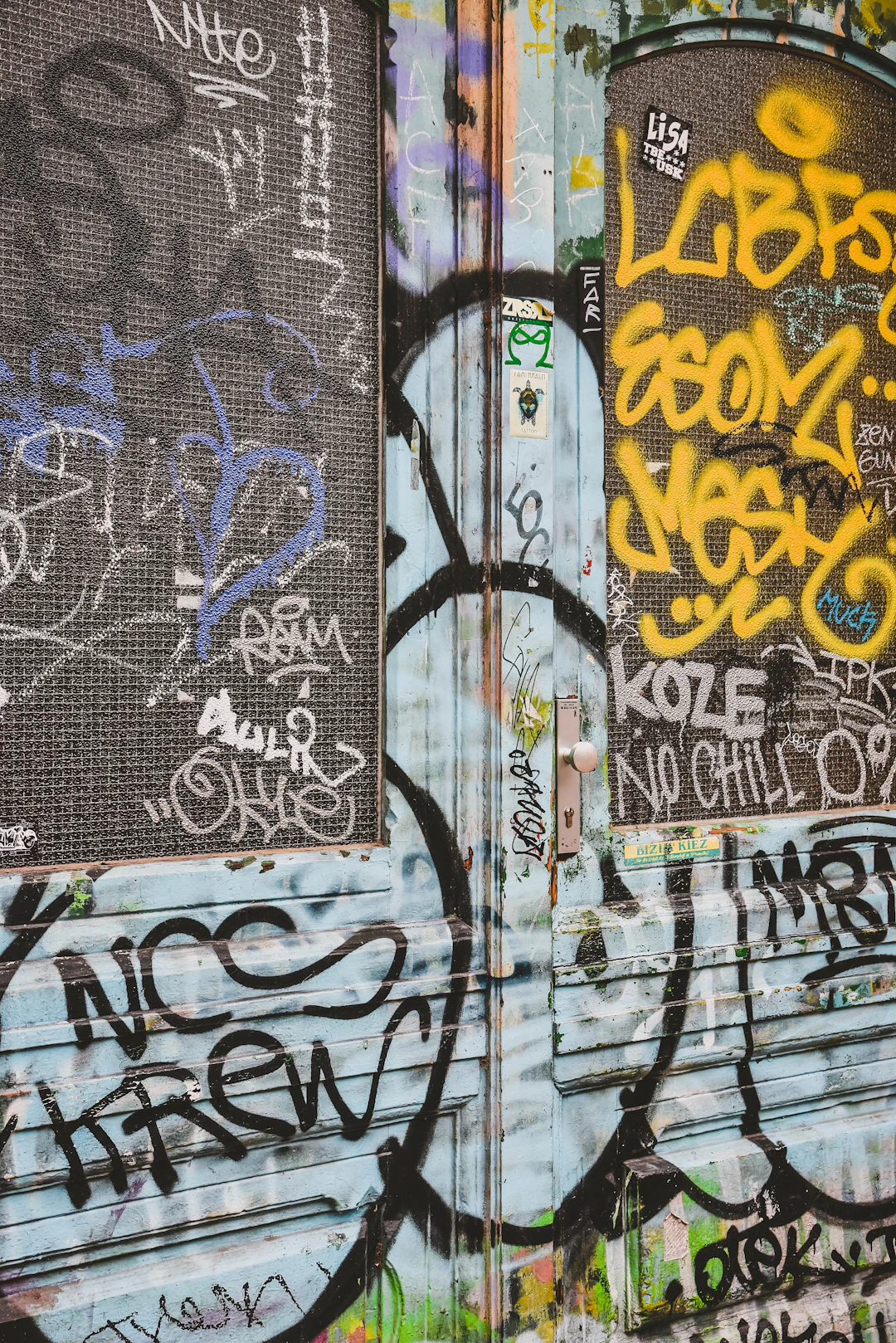
From block parties to graffiti art on subway cars, each aspect of hip hop culture drew heavily on the experiences of street life, creating an organic and deeply rooted connection with its audience.
The Role of Street Style and Fashion
Style has always played a crucial role in hip hop culture. Baggy jeans, oversized shirts, bold sneakers, and flashy jewelry became staples in the apparel of both artists and listeners alike. Iconic brands such as Adidas and Nike featured prominently in hip hop fashion, resonating with fans who sought to identify with the genre. The fashion choices of prominent artists often reflect the struggles of street life, merging function with a bold statement of identity and individuality.
Having roots in the streets, hip hop fashion cross-pollinated with skate culture and streetwear brands, forming a unique aesthetic that continues to influence the fashion industry today. The impact of street culture on hip hop is evident as artists continue to express their personalities through fashion, not just in music videos but also in public appearances, reflecting their authentic selves and connecting with their fans.
The Lyrics: A Reflection of the Streets
The emotional backbone of hip hop lies within its lyrics, serving as a storytelling medium for artists to articulate their experiences. Some of the most significant hip hop albums are deeply rooted in the realities of street life, touching upon topics such as violence, survival, love, and loss. These narratives resonate with audiences, often serving as both a cathartic release and a source of inspiration.
Artists who penned iconic lyrics had the power to start dialogues around societal issues, such as racism, poverty, and inequality. For instance, Tupac Shakur's poetic approach transformed his music into a platform for activism. Songs like "Changes" illustrate the stark realities faced by marginalized communities, while others tackle intimate life stories that transcend their local circumstances to embody universal themes.
The authenticity of these narratives allows for more meaningful hip hop albums reviews and rapper ratings, as fans and critics alike appreciate the complex layers of these compositions.
Street Culture Influences on Sound and Production
The sound of hip hop is heavily influenced by the urban environment from which it emerges. Early hip hop was characterized by its use of sampling from funk, soul, and disco records. DJs would take fragments of these tracks to layer beats, creating a unique sound that defined a generation. The influence of street culture is evident in the raw, unfiltered beats that feature in many of the genre's classic albums.
As hip hop evolved, so did its production techniques, yet the spirit of street culture remained intact. The late 90s and early 2000s saw the arrival of polished tracks, influenced by the mainstream music industry, but still rooted in the artistry of the streets. Producers like Dr. Dre and Timbaland were able to take elements from street sounds and elevate them without losing their essence, leading to iconic records that are still held in high esteem in 2000's rap album reviews.
The Global Expansion of Hip Hop: Street Culture Meets the World
As hip hop spread beyond the shores of the United States, it began to take on new shapes and forms, integrating varied cultural influences while still retaining the core elements of its street culture roots. Nations across the globe began to adopt hip hop, molding it into something that represented their own cultural narratives.
From French rap with its roots in the suburbs of Paris to the vibrant Nigerian hip hop scene, the genre offers a platform for artistic expression that transcends geographical boundaries. The fusion of street culture with diverse influences has resulted in a rich tapestry of sounds and stories that showcases the universality of hip hop’s message.
The Role of Community in Hip Hop Culture
One of the hallmark characteristics of hip hop is its emphasis on community and collaboration. From cyphers and battles to group collaborations, street culture fosters a sense of belonging and camaraderie among its participants. Many artists pay homage to their neighborhoods, celebrating the people and experiences that shaped them.
This collaborative spirit is evident in many hip hop albums, where numerous artists contribute to a single project. This exchange creates a unique sound that not only showcases individual talent but strengthens community ties, allowing various narratives to coexist within the larger story of hip hop. Such collaborations often result in critically acclaimed work, which is highlighted in both hip hop albums reviews and rapper ratings.
Social Commentary Through Hip Hop
Historically, street culture has always served as a backdrop for social commentary in hip hop music. Artists use their platform to draw attention to societal issues and injustices, creating a powerful narrative that challenges the status quo. Tracks often explore themes of inequality, police brutality, systemic racism, and the struggles of underprivileged communities. This socially conscious approach is not just about raising awareness; it aims to spark conversations and invoke change.
Artists like Nas, Kendrick Lamar, and J. Cole have penned crucial pieces of social commentary that reflect the angst and struggles of their communities, inviting audiences to engage in dialogue that extends beyond the music. This lyrical commitment to social issues sets hip hop apart from other genres and affirms its place as a transformative force in popular culture.
Unifying Diverse Soundscapes
Street culture's influence on hip hop extends beyond lyrical content; it translates into the diverse soundscapes that define the genre. The beauty of hip hop lies in its adaptability, borrowing elements from various musical styles like reggae, rock, jazz, and electronic music. By incorporating these elements into their tracks, artists are able to reflect their environments and diverse cultural backgrounds, enriching the genre with authenticity.
The convergence of different musical styles leads to greater innovation and creativity, which resonates with fans, making hip hop an ever-evolving genre. This blending of sounds can be seen in today's hip hop landscape, showcasing both classic influences and contemporary sensibilities. Each new release is met with anticipation, with fans turning to 90's rap album reviews and 2000's rap album reviews to find connections to these innovative works.
Maintaining Cultural Identity in a Globalized World
In an increasingly interconnected world, hip hop artists are continually faced with the challenge of remaining grounded in their cultural identities while also embracing global influences. While street culture lays the groundwork for hip hop, globalization presents opportunities to reach new audiences and blend diverse cultural elements.
Artists who navigate this landscape successfully are often praised in reviews and ratings, as they balance the essence of street culture with modern influences. Maintaining authenticity in the face of commercial pressures allows artists to remain true to their communities while still engaging with a broader audience. The struggle for cultural identity amidst globalization is a recurring theme in many hip hop narratives, making it particularly relevant today.
Hip Hop Festivals: Celebrating the Street Culture
Hip hop festivals have become a staple in the music industry, celebrating street culture and the hip hop community in an exhilarating atmosphere. Events such as Rolling Loud, Hip Hop Sundance, and Wireless festival allow artists to showcase their talents in front of massive audiences, emphasizing the cultural significance of the genre.
These festivals provide vital platforms for emerging artists, allowing them to gain exposure and connect with fans. Many established artists actively participate, ensuring that the community is united in its love for hip hop. The shared energy at these gatherings highlights the deep-seated connections forged through street culture, many of which can be traced back to the early days of hip hop.
Rapping: A Form of Street Poetry
At its heart, rapping serves as a form of street poetry, encapsulating stories, emotions, and experiences in lyrical format. This art form provides artists an avenue to explore their complex identities while also conveying their heritage, struggles, and victories. The craft of rapping requires skill, flow, rhythm, and an ability to connect with your audience on a personal level.
This aspect of hip hop resonates with listeners, making it a powerful tool for storytelling. Fans engage with the raw emotion and authenticity present in the lyrics, fostering a communal bond between the artist and their audience that can transcend cultural and geographical boundaries. As a result, successful rap songs often earn high scores in both rapper ratings and hip hop albums reviews, as listeners appreciate the depth of narrative woven into each verse.
The Future of Hip Hop: Keeping It Real
As hip hop continues to evolve, it remains a vital reflection of street culture while also embracing new ideas, techniques, and influences. Artists today are challenged more than ever to keep it real—to stay grounded in their roots while expanding their horizons. This delicate balance contributes to the genre's ongoing growth and brings fresh perspectives to the table. Future generations will continue to tell stories and enlighten audiences through the lens of street culture, creating an enduring legacy of authenticity, creativity, and communal connection.
As fans of hip hop, we encourage you to explore the vast landscape of the genre, digging into the classic 90's rap album reviews, iconic tracks from the 2000s, and the critical insights found in hip hop albums reviews. By engaging with the music and connecting with the culture, you remind yourself of the power of storytelling through street culture, a force that has shaped the genre for decades and will continue to do so in the future.
FAQs
What is hip hop's connection to street culture?
Hip hop is deeply rooted in street culture, emerging as a movement from urban environments where artists expressed their experiences, struggles, and emotions through music, fashion, and art.
How did street style influence hip hop fashion?
Street style significantly impacted hip hop fashion, with baggy jeans, oversized shirts, bold sneakers, and flashy jewelry becoming staples, allowing artists and fans to express their identity and connect with the culture.
In what ways do hip hop lyrics reflect street life?
Hip hop lyrics serve as a storytelling medium, reflecting the realities of street life by addressing themes like violence, survival, love, and social issues, thus resonating with audiences and providing inspiration.
How has hip hop spread globally while maintaining its cultural roots?
As hip hop expanded beyond the U.S., it integrated various cultural influences while still retaining its street culture roots, allowing it to adapt and represent diverse narratives worldwide.
What role do hip hop festivals play in celebrating street culture?
Hip hop festivals serve as platforms for artists to showcase their talent and celebrate the community, reinforcing the cultural significance of the genre and fostering connections among fans and artists.