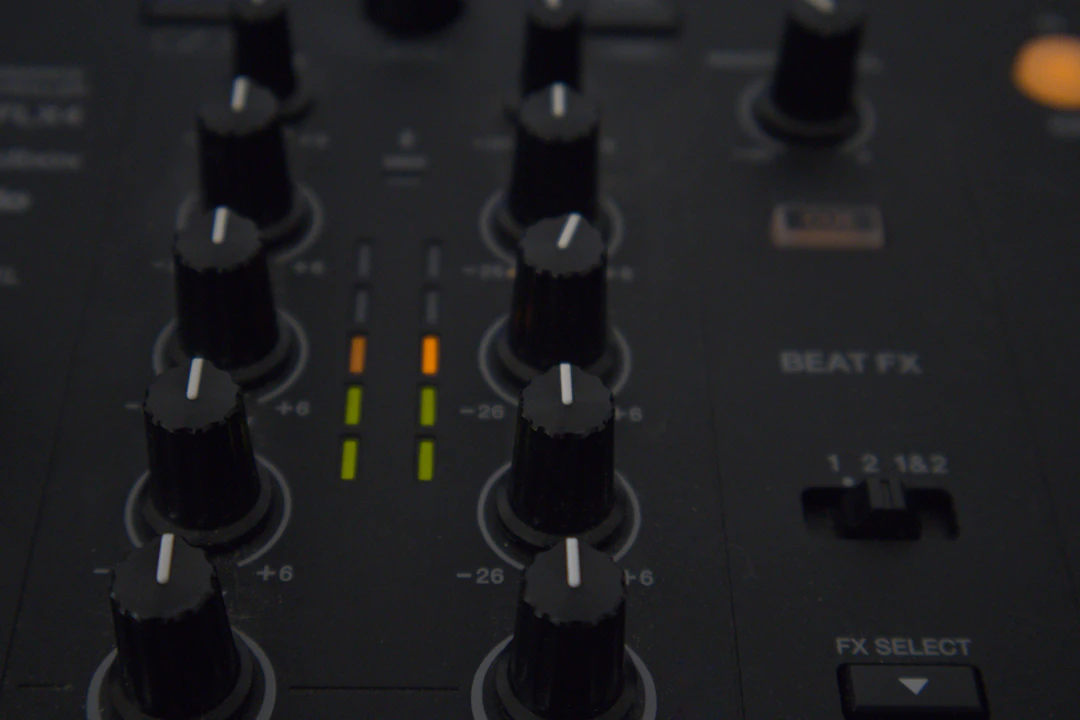
In a world where technology permeates every aspect of our lives, the music industry is no exception. The influence of technology on music making has been profound, especially in rhythm and lyrical genres like rap and hip hop. Music production, distribution, and consumption have all dramatically altered over the years thanks to technology, leading to new ways artists create and innovate. This blog will delve into the various aspects through which technology has shaped modern music, particularly focusing on rap music, and how it has evolved the landscape for rappers.
The Shift from Analog to Digital
In earlier times, music production relied heavily on analog equipment—think of bulky tape machines, synthesizers, and mixers. Today, technology has shifted the paradigm dramatically. Digital Audio Workstations (DAWs) have transformed the music-making process, enabling rappers and producers alike to create high-quality music from the comfort of their homes. With a genuine understanding of how DAWs work, aspiring musicians can produce everything from beats to full-fledged tracks with just a laptop and some basic equipment.
Accessibility and Affordability
One of the most noteworthy advantages of digital music production is its accessibility. The cost of making music has plummeted, allowing more aspiring rappers to enter the industry. Today, you don’t need a multi-million dollar studio to produce chart-topping hits. Thanks to affordable software and even free online tools, anyone with a passion for rap music can embark on their musical journey without significant financial investment.
Social Media and Music Distribution
The rise of platforms like SoundCloud, YouTube, TikTok, and others has drastically changed how music is distributed and consumed. For rappers, social media is a game-changer. Artists can share their work directly with fans, bypassing traditional gatekeepers like record labels. This has led to a plethora of opportunities for rap music artists to showcase their talents and build a following without extensive marketing budgets.
Consider how rap beef has been amplified through social media. Rappers can now directly communicate with fans and rival artists, creating a dynamic landscape for feuds, competition, and collaboration in real-time. Engaging with followers not only builds brand loyalty but also influences trends in the genre.
The Power of Viral Marketing
Many contemporary hits have gone viral thanks to catchy challenges or memes that spread across social media. This demonstrates how technology has facilitated entirely new marketing strategies. An aspiring rapper can become an overnight sensation if their song aligns with a trending topic or challenge, a phenomenon that was nearly impossible before the social media era.
The Role of Collaboration in Modern Music
Technology has made it easier for artists to collaborate, no matter where they are located. Thanks to cloud-based platforms, musicians can share files and work on projects together without ever being in the same room. This has led to exciting collaborations that merge different styles and techniques, continually evolving the hip hop landscape.
For rappers, collaboration has become an essential tool for growth. Joint projects often lead to heightened visibility, allowing them to tap into each other's audiences. These partnerships can also contribute to breakthrough songs that define eras in rap music. Thus, the tangential connectivity attributed to technology has not only enriched the music but also provided a platform for diverse voices within the genre.
Production Techniques and Sound Design
Digital audio technology has expanded the palette available for sound design in rap music. Artists and producers now have at their disposal an array of virtual instruments, samples, and effects that can be manipulated in virtually limitless ways. This has enabled a more experimental approach to music-making.
The Rise of Beatmakers
Beatmakers play a crucial role in shaping the sound of contemporary rap. Thanks to technology, they often produce beats that have complex layers and unique soundscapes. The ability to manipulate sounds through various software programs has intensified the creativity within the genre, making the beat as important as the lyrics.
These changes have facilitated an environment where rappers can now quickly adapt and evolve their styles, often leading to unique sounds that define particular periods of hip hop history. Techniques like sampling have become even more sophisticated, allowing artists to borrow elements from various genres and breathe new life into their own work.
Artificial Intelligence and Music Creation
As technology continues to advance, the inclusion of artificial intelligence (AI) in music production is becoming more prevalent. Today, AI tools can help with everything from generating melodies to creating lyrics, offering valuable assistance to rappers and producers.
Enhancing Creativity
AI can analyze vast databases of existing music to provide insights regarding popular trends, and suggest ways to push creative boundaries. This approach helps rappers stay ahead of the curve, ensuring their work remains relevant in an ever-changing industry. For many artists, the fusion of talent and technology results in exciting new soundscapes that can attract a wider audience.
Streaming Services and Revenue Models
The transition from physical sales to digital streaming has been revolutionized by technology, impacting how artists generate income. For rappers, platforms like Spotify, Apple Music, and Tidal have become primary sources of income and audience growth.
How Streaming Changes Barriers
The streaming model has lowered entry barriers for emerging hip hop artists. The potential for revenue based on streams means that a well-structured marketing approach can lead to substantial financial growth over time, provided that the music gains traction. Rappers who master the art of promoting their work through social media can see tremendous success, even when starting from humble beginnings.
Emerging Trends Shaping the Future of Music
The technological influences on music making don’t just stop at current trends; they signal future developments that may further transform the industry. Understanding where these influences might lead is paramount for anyone involved in the music scene.
The Rise of Virtual Reality and Augmented Reality
Concepts like virtual and augmented reality are making waves in music experiences. Imagine a live hip hop concert that lets fans engage with the performance through virtual reality headsets, or augmented experiences that provide additional layers of interaction. For rappers, these technologies could redefine how they connect with their audience and how performances are experienced.
The Social Responsibility of Artists in the Digital Age
With the power of technology comes responsibility. As more rappers utilize platforms to express their views and share personal narratives, the ramifications of their influence become ever more significant. Digital platforms amplify their voices, leading to broader societal dialogues around issues like race, inequality, and mental health.
Taking a stand through their music empowers rappers to engage with their listeners meaningfully. The fusion of art and social commentary becomes a powerful force, allowing for transformative shifts in cultural discourse.
Crafting Your Legacy in the Digital Age
The influence of technology on music making has forged new pathways for artists in the hip hop genre. As emerging rappers harness the power of digital tools, they can reach audiences and create art that defines their era in powerful and innovative ways.
For those looking to make an impact, understanding the intricate relationship between technology and music production is vital. By embracing new technologies while remaining true to their artistic vision, these artists will continue to shape the sound of rap music for generations to come.
Final Thoughts: Rising Above the Noise
The influence of technology has catapulted rap music into new realms of creativity and accessibility. As artists navigate this dynamic landscape, they must adapt to stay relevant while pushing the boundaries of their art. The fusion of creativity with technological advancements presents endless possibilities, and as a result, the future of rap and hip hop is not only exciting but also brimming with potential. So, as you embark on your own musical journey, keep these technological influences in mind, and strive to rise above the noise.
FAQs
How has technology changed music production for rappers?
Technology has shifted music production from analog to digital, enabling rappers and producers to create high-quality music from home using Digital Audio Workstations (DAWs) and affordable software.
What impact does social media have on music distribution for rappers?
Social media platforms like SoundCloud, YouTube, and TikTok allow rappers to share their music directly with fans, bypassing traditional gatekeepers and creating new opportunities for visibility and engagement.
How does collaboration among artists benefit from technology?
Technology allows artists to collaborate remotely through cloud-based platforms, leading to innovative projects and increased visibility through joint efforts.
What role does artificial intelligence play in modern music creation?
AI is increasingly used in music production to assist with generating melodies, creating lyrics, and analyzing trends, helping artists stay relevant and push creative boundaries.
What are some emerging trends in music that are influenced by technology?
Emerging trends include the use of virtual and augmented reality in music experiences, which could redefine how audiences engage with performances and how artists connect with fans.