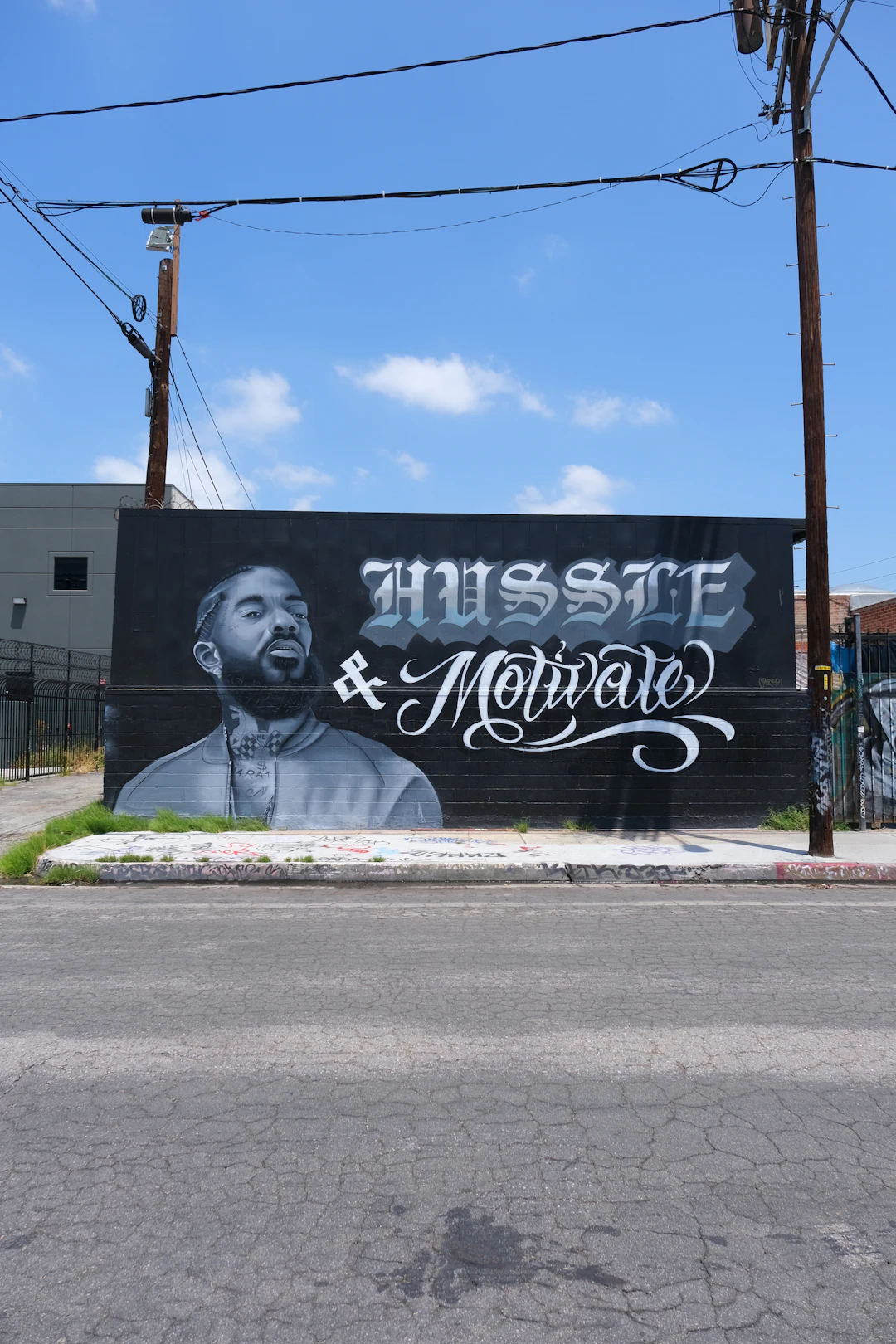
Hip hop has been a significant force in shaping culture, especially when it comes to social justice. With its roots deeply embedded in the struggles of marginalized communities, hip hop has evolved not just as a musical genre, but as a powerful movement advocating for change. From the early days of rap music to contemporary rappers, the voices within this genre resonate with deeper societal issues, making it a vital channel for social commentary.
The Origins of Hip Hop and Its Social Roots
Born in the late 1970s in African American and Latino neighborhoods, hip hop emerged as a cultural expression that mirrored the socio-political environment of its time. As a platform for storytelling, these musicians broke down barriers and created narratives around their lived experiences.
Some of the earliest examples of hip hop's relationship with social justice can be traced back to iconic tracks that addressed issues of poverty, systemic racism, and inequality. An example is Grandmaster Flash and the Furious Five's "The Message," which highlighted the struggles faced by inner-city residents, setting the stage for rap to become a tool for activism.
The Evolution of Rap Music as a Form of Protest
Asrap musichas evolved, so has its role in advocating for social issues. The 1990s brought a surge of rappers who were unafraid to express their anger and frustration regarding systemic injustices. Artists like Tupac Shakur and Notorious B.I.G. utilized their music to create awareness around topics such as police brutality, economic disparity, and the challenges of urban living.
Tupac Shakur: With tracks like "Changes," Tupac conveyed the struggles of black communities and inspired a generation of advocates for change.
Lauryn Hill: As a member of The Fugees and a solo artist, Hill used her music to address gender inequality and social issues affecting women.
N.W.A: Known for their explicit lyrics, N.W.A's "F**k tha Police" became an anthem reflecting the tension between law enforcement and Black communities.
The Role of Current Rappers in Social Movements
The connection between hip hop and social justice continues to thrive today, with many contemporary rappers using their platforms to amplify voices and causes. The rise of social media has further bolstered their ability to mobilize, spreading messages quickly and effectively. Artists like Kendrick Lamar, Chance the Rapper, and J. Cole have incorporated activism into their music and public personas.
For instance, Kendrick Lamar’s album "To Pimp a Butterfly" serves as a poignant commentary on race relations, showcasing how rap can serve as both art and activism. With songs addressing systemic racism and personal struggles, Lamar pushes listeners to engage with the pressing issues of society.
Chance the Rapper: A Titan of Philanthropy and Activism
Chance the Rapper has made headlines not only for his chart-topping hits but also for his commitment to social causes in his hometown of Chicago. He has actively supported mental health initiatives and education reforms, showcasing the intersection of hip hop and social change.
The Impact of "Rap Beef" on Social Discourse
Interestingly, rap beef can also play a role in social justice dialogues. While often seen as mere entertainment, these rivalries sometimes shed light on deeper issues within the community. Furthermore, they can serve as serving points of contention that spark discussions around authenticity, representation, and the struggles of the genre itself.
The feud between Tupac and Biggie is a classic example of how hip hop culture has utilized conflict to reflect broader societal issues. Although the rap beef led to tragedies, it also prompted conversations about media representation, violence, and societal pressures that artists face.
Hip Hop: A Catalyst for Awareness and Change
Rap music remains a catalyst for change, serving as a form of protest art that can mobilize crowds, raise funds, and drive public conversations forward. Events like "The March for Our Lives," which demanded reforms for gun control, saw many rappers participating in solidarity, using their influence to help rally support for causes that affect millions.
The Role of Hip Hop Festivals in Advocacy
Festivals have increasingly become platforms for artists to endorse social causes. Events such as the "A3C Festival & Conference" feature panels and discussions focused on social justice issues alongside performances, merging entertainment and activism in impactful ways.
Revolutions Per Minute: This movement invites artists to address social issues concerning their communities, utilizing their artistry for local activism.
Benefit Concerts: Many rappers have organized benefit concerts aimed at raising funds for social issues, from education reform to disaster relief.
Engaging Youth Through Hip Hop Culture
Hip hop plays a crucial role in engaging younger generations in social justice movements. The authenticity and relatability found in rap allow listeners to connect deeply with the stories being told. Programs in schools utilize hip hop to discuss critical issues like inequality, race, and ownership, bridging gaps between the curriculum and students' interests.
Organizations like the Hip Hop Education Center have emerged to promote youth engagement, empowering students through workshops that combine hip hop with social justice teachings. This approach not only makes learning more relatable but also cultivates a sense of responsibility towards social issues.
From Lyrics to Legislation: The Next Steps for Change
As rappers continue to amplify their messages in songs and social media, it’s critical to look at how these dialogues can translate into real-world action. Many artists are now engaged in lobbying for policy changes, collaborating with local organizations, and even running for political office.
The shift from passive storytelling to active engagement demonstrates the potential of hip hop to enact change. As artists challenge their audiences to think critically about systemic injustices, the notion that music can be a tool for revolution becomes increasingly evident.
Creating a Lasting Legacy
The legacy of hip hop as a driver for social justice is not just in the music but in the movements it inspires. From grassroots activism to public protests, the genre has always reflected the voices of those who feel unheard. While the beats may make us dance, it is the messages within the lyrics that compel us to act and advocate for change.
Beats, Voices, and the Call for Change
As we continue to witness the evolving landscape of hip hop, it is vital to recognize its powerful connection to social justice. From its early formations as a voice for the voiceless to its contemporary role as a catalyst for advocacy, hip hop has proven to be more than just a genre of music; it is a movement reflecting the struggles, hopes, and resilience of a community.
As artists use their platforms to demand justice, educate the masses, and foster conversations about inequality, we are reminded that the sound of hip hop is not only heard but felt. It calls on each of us to listen, reflect, and engage—so that together, we can inspire lasting change.
FAQs
What is the relationship between hip hop and social justice?
Hip hop has been a significant force in shaping culture and advocating for social justice, with its roots deeply embedded in the struggles of marginalized communities.
How did hip hop originate as a form of social expression?
Hip hop originated in the late 1970s in African American and Latino neighborhoods as a cultural expression that mirrored the socio-political environment, using storytelling to address lived experiences.
Which classic hip hop songs have addressed social justice issues?
Iconic tracks like Grandmaster Flash and the Furious Five's 'The Message' highlight social issues such as poverty and systemic racism, setting the stage for rap to become a tool for activism.
How do contemporary rappers contribute to social movements?
Many contemporary rappers, such as Kendrick Lamar and Chance the Rapper, use their platforms to amplify voices and support social causes, engaging with issues like systemic racism and education reform.
In what ways do hip hop festivals promote social justice?
Hip hop festivals often feature panels and discussions on social justice alongside performances, merging entertainment and activism to raise awareness and support for various causes.