Overview
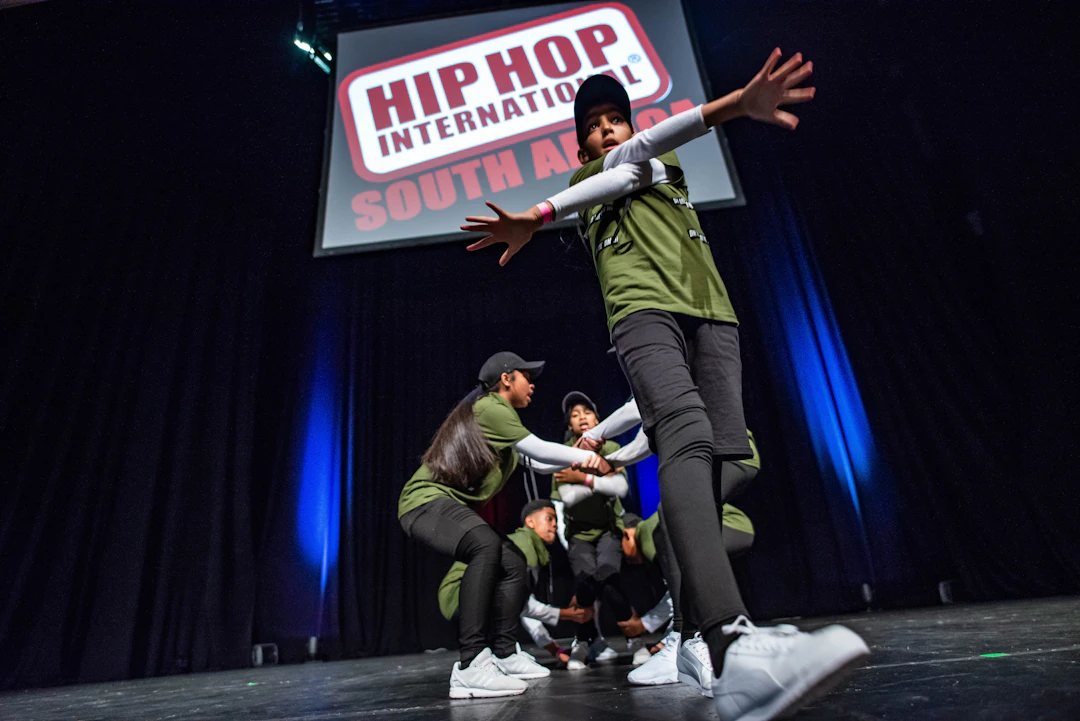
Hip hop has evolved from its 1970s roots in marginalized communities to a powerful platform for activism and social change. This blog explores the genre's history of addressing social issues through influential albums and artists, from Public Enemy and Tupac to Kendrick Lamar. It highlights collaborations for change, the role of social media in modern activism, and the challenges faced by artists in a commercialized industry. Despite these obstacles, hip hop continues to inspire resilience and hope, with rising stars committed to social justice and collective responsibility.
Contents
The Origins of Activism in Hip Hop
Influential Albums and Artists
- Public Enemy – "It Takes a Nation of Millions to Hold Us Back" (1988)
- Tupac Shakur – "All Eyez on Me" (1996)
- Kendrick Lamar – "To Pimp a Butterfly" (2015)
Collaborations for Change
Modern Activism through Social Media
The Power of Lyrical Content
Challenges Facing Activist Hip Hop
Celebrating Resilience and Hope
Rising Stars of Activism in Hip Hop
Stepping into the Future
FAQs
- How has hip hop played a role in activism?
- What are some significant albums that have contributed to hip hop activism?
- How do modern hip hop artists utilize social media for activism?
- What challenges do hip hop activists face today?
- Who are some rising stars in hip hop activism?
Hip hop has long been more than just a genre of music; it is a powerful platform for expression, resistance, and social change. From its roots in the Bronx during the 1970s to the contemporary landscape of the 2020s, hip hop culture has continuously engaged with social issues, giving voice to marginalized communities and challenging the status quo. In this blog post, we will explore the intersection of hip hop and activism, highlighting crucial moments, influential artists, and their respective 90's rap album reviews and 2000's rap album reviews that have shaped both music and society. Join us as we delve into how these artists use their talents to speak out and create a narrative for change.
The Origins of Activism in Hip Hop
Hip hop originated in marginalized neighborhoods, where communities were often grappling with poverty, violence, and lack of opportunity. As a result, it was only natural for early hip hop artists to voice their struggles and experiences through their music. The genre’s birth coincided with significant social movements, including civil rights and anti-war protests. Influential figures like DJ Kool Herc, Grandmaster Flash, and the Funky Four + One used their platform to call for justice and societal change. These founding artists laid the groundwork for future generations to not only entertain but also inform and inspire.
Influential Albums and Artists
To truly appreciate the intersection of hip hop and activism, we must take a closer look at some of the most significant albums and their corresponding rapper ratings. Let’s highlight several landmark works that made critical statements and sparked conversations about change.
Public Enemy – "It Takes a Nation of Millions to Hold Us Back" (1988)
This iconic album is often regarded as one of the most politically charged hip hop albums of all time. With powerful tracks like “Fight the Power,” Public Enemy didn't shy away from addressing issues of race, inequality, and systemic oppression. The group's use of sampling and militant imagery propelled their activism into the mainstream. The album remains an essential part of any hip hop albums reviews for its lyrical depth and historical significance.
Tupac Shakur – "All Eyez on Me" (1996)
Tupac Shakur, one of the most influential figures in hip hop, merged personal struggles with broader societal themes. His double album, "All Eyez on Me," included tracks such as "Changes" and "Keep Ya Head Up," both of which encapsulate the challenges faced by marginalized groups. These tracks not only spotlighted social injustices but also motivated listeners to reflect on their circumstances. Tupac's ability to weave personal narratives with activism provided significant context during the explosive growth of gangsta rap in the 1990s.
Kendrick Lamar – "To Pimp a Butterfly" (2015)
Fast forward to the present day, and Kendrick Lamar’s critically acclaimed "To Pimp a Butterfly" illustrates how modern artists continue to champion activism through their work. Examined through various 2000's rap album reviews, this album tackles issues such as racism, identity, and mental health, presenting a complex narrative about the African American experience. Lamar's innovative style, alongside his conscious messaging, has solidified his status as one of the most significant voices in hip hop activism today.
Collaborations for Change
Aside from individual releases, collaborations within the hip hop community have also functioned as vehicles for activism. Groups and artists have occasionally united to develop songs that amplify social messages. Here are a few notable collaborations that underline the power of collective voices in hip hop activism:
"We Are the World 25 for Haiti": This supergroup brought together artists from various genres but notably featured prominent hip hop figures who rallied support for Haiti following the devastating earthquake in 2010, showcasing the heart of hip hop as a community in action.
"One Day" by Matisyahu ft. Hip Hop Artists: This collaboration harnessed rhymes and rhythms to send a message of hope, resonating with many while highlighting global issues, including poverty and violence.
"Self Made" by Rick Ross ft. Various Artists: Through this powerhouse collective, Ross and his collaborators use their influence to encourage listeners to take actionable steps toward change.
Modern Activism through Social Media
In the digital age, hip hop artists have harnessed the power of social media platforms to elevate their activism and engage broader audiences. The immediacy and reach of social media allow artists to mobilize followers, share their messages, and participate in ongoing social movements.
During movements such as Black Lives Matter, hip hop artists have become vocal advocates for change. Not only do they share their support through music and performance, but they also use platforms like Instagram and Twitter to connect directly with fans, promoting awareness around issues like police brutality, systemic inequality, and mental health awareness. This trend emphasizes the ongoing role of hip hop in driving social discourse and its adaptation to new means of communication.
The Power of Lyrical Content
The lyrics of hip hop songs often serve as potent commentary on social issues. In fact, the very structure of hip hop encourages storytelling, allowing artists to share their experiences and perspectives in a relatable manner. For example, when looking at the rapper ratings of social justice proponents, we see how artists weave narratives that articulate emotional and societal truths—sparking conversations that transcend the music itself.
Additionally, many hip hop artists also incorporate their personal journeys into their lyrics, reflecting the complexities of growing up in neighborhoods often plagued by violence, discrimination, and poverty. This personal touch resonates with listeners who may find themselves in similar situations, fostering a sense of unity and shared struggle.
Challenges Facing Activist Hip Hop
While hip hop activism has made significant strides, artists still face a multitude of challenges. The commercialization of hip hop, which often prioritizes profit over substance, can dilute the messages delivered by artists. Mainstream radio and media prefer artists who fulfill certain marketable standards, sometimes overlooking those who focus on poignant social commentary.
Moreover, the music industry can perpetuate stereotypes, promoting portrayals of violence, drugs, and crime while neglecting the narratives of artists advocating for change. This phenomenon raises an important question: how can hip hop maintain its integrity as a vehicle for social justice in an industry that often prioritizes fluff over substance?
Celebrating Resilience and Hope
Despite these challenges, the resilience of hip hop and its community continues to shine through. Artists like J. Cole, Chance the Rapper, and Megan Thee Stallion reflect the genre's commitment to social change, utilizing their platforms to promote discussions around equity, awareness, and empowerment. By supporting each other and amplifying grassroots movements, these artists demonstrate that hip hop remains a potent driving force for change.
Rising Stars of Activism in Hip Hop
As hip hop continues to evolve, new voices emerge that reflect the ongoing commitment to activism. Artists like Noname, Fat Tony, and Rapsody are crafting narratives that focus on social justice, LGBTQ+ rights, and systemic reform. Their music is infused with both artistry and activism, showcasing how the intersecting narratives of hip hop culture and social responsibility continue to flourish.
These rising stars, along with established acts, remind us that hip hop is not just about beats and rhymes—it's also about relinquishing societal pressures and taking a stand for what we believe in. As we listen to their songs, we are invited to join them in dialogue on pressing issues, becoming informed citizens and advocates for change.
Stepping into the Future
At the crossroads of hip hop and activism lies an opportunity for holistic growth for both the genre and society as a whole. Movement-driven artists are inspiring listeners not only to engage with their messages but also to act on them, fostering a culture that values responsibility alongside artistry. As we navigate through the future of hip hop, it is imperative that we support artists who are championing causes that matter while navigating the complex landscape of the music industry.
In a world where divisions often prevail, let us take inspiration from the voices of hip hop—reminding us that change is not only possible, but it is our collective responsibility. By championing the narratives of those who speak for the voiceless, we can continue to utilize hip hop as a catalyst for social and cultural transformation. The commitment to activism within this powerful genre expresses a resounding truth: music can be a tool for change, unity, and hope, shaping our world in ways that echo far beyond the beats. Don’t miss out on being part of this conversation—let the rhythm guide you towards a better tomorrow.
FAQs
How has hip hop played a role in activism?
Hip hop has served as a powerful platform for expression, resistance, and social change, allowing marginalized communities to voice their struggles and challenge the status quo.
What are some significant albums that have contributed to hip hop activism?
Notable albums include Public Enemy's "It Takes a Nation of Millions to Hold Us Back," Tupac Shakur's "All Eyez on Me," and Kendrick Lamar's "To Pimp a Butterfly," each addressing critical social issues.
How do modern hip hop artists utilize social media for activism?
Artists leverage social media platforms to share their messages, mobilize followers, and engage in social movements, enhancing their advocacy and outreach.
What challenges do hip hop activists face today?
Challenges include the commercialization of hip hop, which can dilute meaningful messages, and the music industry's tendency to promote stereotypes over socially conscious narratives.
Who are some rising stars in hip hop activism?
Emerging artists like Noname, Fat Tony, and Rapsody are creating music that emphasizes social justice, LGBTQ+ rights, and systemic reform.