Overview
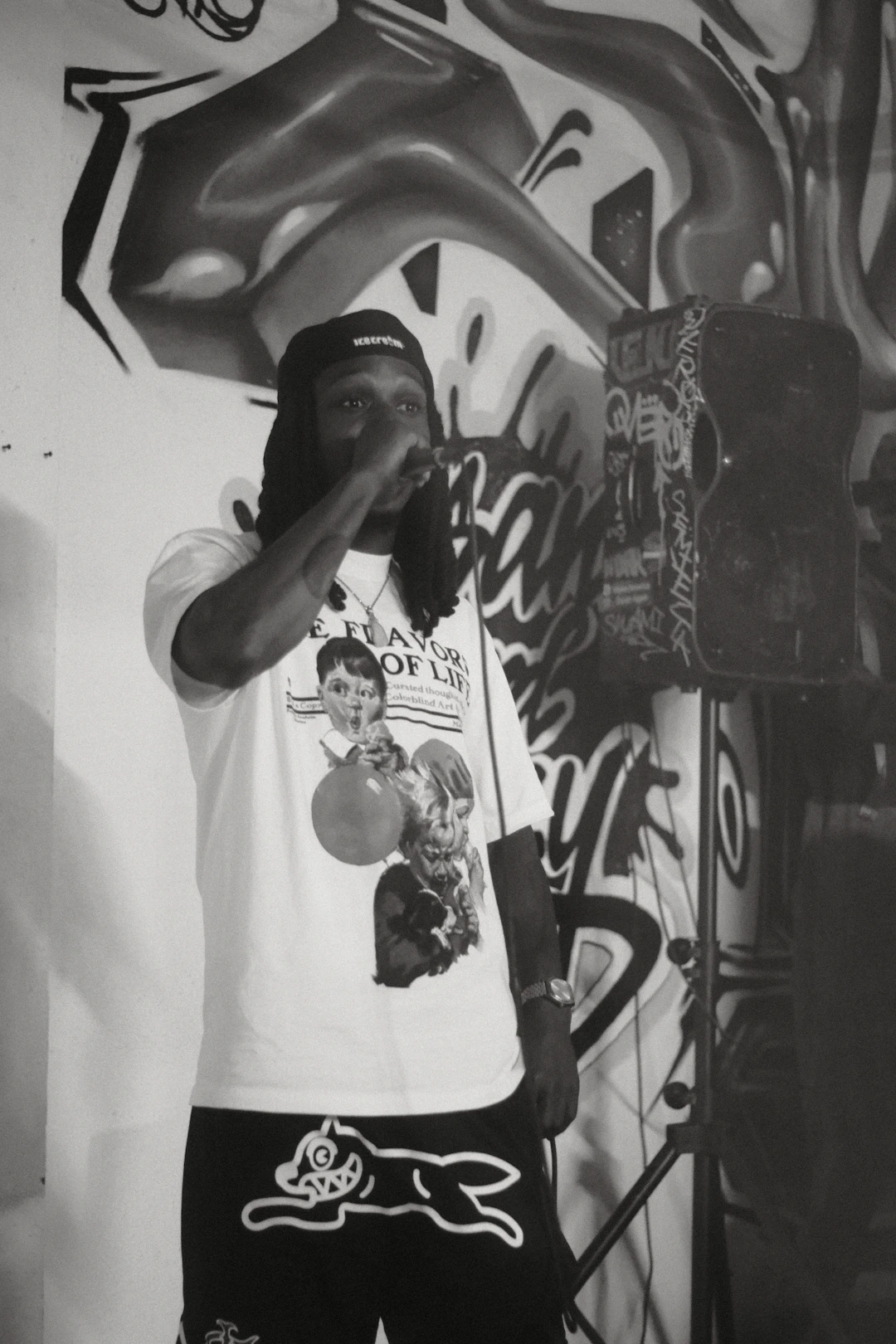
Hip hop has significantly influenced language and slang since its emergence in the 1970s, evolving from street language to a global phenomenon that shapes everyday communication. Artists have acted as linguistic innovators, introducing terms and expressions that reflect societal changes and cultural identities. As hip hop continues to blend with other genres and adapt through social media, its impact on language will persist, creating new dialogues and enriching our communication for future generations.
Contents
The Roots of Hip Hop Slang
The Evolution of Slang Through Hip Hop
- From 90's Rap to 2000's Hits
- - Some Key Terms from the 90's:
- - New Words and Meanings from the 2000's:
The Impact of Lyrics on Everyday Language
- Catchphrases and Their Rise
- - Notable Catchphrases:
Rapper Ratings: The Cultural Commentary
Why Language Matters in Hip Hop
- The Role of Social Media
- - Examples of Viral Slang:
Hip Hop’s Global Influence on Language
- Examples from Around the World
The Future of Hip Hop Language
- Predictions for Tomorrow:
Rhythm and Resonance: The Lasting Impact of Hip Hop on Language
FAQs
- How has hip hop influenced language and slang?
- What are some examples of slang that originated in the 90s hip hop era?
- How has the rise of social media affected hip hop slang?
- What are some notable catchphrases from hip hop that are widely used?
- How does hip hop's global influence manifest in different countries?
The vibrant world of hip hop goes beyond just captivating beats and rhythmic verses; it has fundamentally transformed language and slang. This evolution is a testament to the genre's rich history, showcasing how artists have donned the mantle of linguistic innovators. From the spirited dialogues witnessed in the vibrant 90's rap album reviews to the lyrical prowess observed in 2000's rap album reviews, hip hop has undeniably redefined how we communicate.
The Roots of Hip Hop Slang
To understand the influence of hip hop on language, we must first look at its roots. Emerging in the 1970s in the South Bronx, hip hop culture encapsulated various elements, including DJs, breakdancing, and graffiti art. Language became another vital expression, as artists began creating a verbal landscape that resonated with their experiences.
Street Language: The language of the streets provided a rich reservoir of expressions, idioms, and phrases that became staples of hip hop. These expressions often reflected the struggles, aspirations, and vibrant culture of urban life.
Regional Dialects: As hip hop spread across the United States, regional dialects infused their unique flavors into the genre. From the slangs of Atlanta to the coastal vibes of Los Angeles, each area offered its own linguistic contributions.
Patois and Creole Influences: Many artists, particularly in New York, borrowed from Caribbean dialects like Patois, enriching their lyrical range and broadening their expressions.
The Evolution of Slang Through Hip Hop
As hip hop evolved throughout the decades, so did its contribution to language. Slang has become a key component in expressing identity and creativity among artists and fans alike.
From 90's Rap to 2000's Hits
In the 90s, hip hop artists delivered impactful lyrics that resonated socially and politically. The era’s best 90's rap album reviews highlighted how language was used not just as a form of self-expression but also as a vehicle for storytelling. Artists like Nas and Tupac utilized their linguistic prowess to address systemic issues, creating a broader awareness among listeners.
Some Key Terms from the 90's:
Dope: Initially used in narcotical contexts, this term evolved to mean something stylish or impressive.
Ill: Though it seems counterintuitive, this term became a slang way of denoting something exceptional or cool.
Phat: A compliment given to someone who is attractive or something that is considered really good.
Fast forward to the vibrant beats of the 2000s, and you’ll see a greater shift in linguistic creativity, showcased extensively in various 2000's rap album reviews. Artists like Eminem and Jay-Z became acutely aware of their lyrical prowess, crafting rhymes and phrases that would penetrate mainstream culture. The art of wordplay was taken to new heights, and slang took on more nuanced meanings.
New Words and Meanings from the 2000's:
Bling: A term that signifies flashy jewelry; it became a symbol of success and opulence within hip hop culture.
Crunk: Used to describe a high-energy party atmosphere, this term was popularized through Southern hip hop and clubs.
Flex: To show off, whether it’s one's physique, possessions, or status.
The Impact of Lyrics on Everyday Language
The influence of hip hop extends beyond just its artists and albums; it's evident in the way language has permeated everyday conversations. As hip hop fans, we often find ourselves using expressions coined by our favorite rappers. This cultural exchange showcases how deeply the genre has penetrated our linguistic landscape.
Catchphrases and Their Rise
Throughout the years, many catchphrases have emerged from hip hop tracks that have found their way into popular culture. Whether it’s Drake’s “YOLO” or Kanye’s “Stay wavy,” these phrases often reflect the pulse of society while simultaneously inspiring new vernaculars among young audiences.
Notable Catchphrases:
YOLO: Acronym for "You Only Live Once," promoting a carefree lifestyle.
Bae: Used to refer to a romantic partner, this term gained popularity through various rap songs.
Lit: Used to describe a fun or exciting situation, this expression originated within the hip hop community.
Rapper Ratings: The Cultural Commentary
One of the captivating aspects of hip hop is the public scrutiny that artists face, often measured through rapper ratings. These ratings don't merely assess musical talent; they also consider an artist’s cultural impact, including their contribution to language and slang. Understanding an artist's influence sheds light on how vocabulary evolves alongside the music they produce.
For instance, a rapper like Lil Wayne, often featured in various hip hop album reviews, has introduced a plethora of terms into popular vernacular. His unique style of lyricism and wordplay has resulted in numerous expressions gaining traction beyond the music industry, making their way into classrooms and daily dialogue.
Why Language Matters in Hip Hop
The significance of language within hip hop cannot be overstated. As it evolves with the genre, it reflects broader societal changes, cultural shifts, and the dynamic nature of human expression. Today’s artists use their platforms to create dialogues that resonate far beyond entertainment, addressing issues of race, identity, and adversity.
The Role of Social Media
In an age dominated by social media, the reach of hip hop slang has expanded exponentially. Phrases and terms coined by rappers can become viral sensations overnight, transforming how communities communicate. Platforms like Twitter, Instagram, and TikTok propagate these expressions, giving them a life of their own.
Examples of Viral Slang:
Drip: Referring to someone's style, particularly in terms of fashion.
Shade: Subtle insults or criticism; often used in playful banter.
Tea: Gossip or interesting news; many rappers have contributed to this slang through their lyrics.
Hip Hop’s Global Influence on Language
While hip hop began its journey in the streets of New York, its linguistic influence has spread globally. Various regions and countries have interpreted and adapted hip hop culture to fit their local dialects and customs, resulting in a unique fusion of language elements. From French rap to Afrobeat, the genre's impact acknowledges the universality of hip hop beyond linguistic barriers.
Examples from Around the World
Across different continents, hip hop has given rise to distinct dialects and linguistic styles:
French Rap: French rappers often incorporate their own slang and cultural references, opening new dialogues around contemporary issues.
Grime in the UK: A unique British form of hip hop, grime features its own slang and expressions, mixing urban culture with local dialects.
Latin Trap: Artists infuse Spanglish into their lyrics, contributing to a blend of both English and Spanish slang.
The Future of Hip Hop Language
As hip hop continues to evolve, so too will its influence on language and slang. The emergence of new artists and the genre’s blending with other musical styles will lead to fresh expressions and evolutions in communication. Just as past decades saw new slang emerge, the future will undoubtedly bring even more linguistic innovation.
Predictions for Tomorrow:
Who knows what new terms will become mainstream? While we can’t predict the future, some aspects are certain:
Digital Influence: As technology evolves, so will the language used within the genre. Expect rapid shifts due to social media platforms.
Cultural Conversations: Artists will persist in challenging societal norms, echoing through the language they use and shape.
Continuous Blending: The merging of hip hop with other genres will lead to hybrid languages that combine various influences.
Rhythm and Resonance: The Lasting Impact of Hip Hop on Language
The influence of hip hop on language is a dynamic phenomenon that continues to shape dialogues, trends, and the very fabric of communication. By engaging with the rhythms and messages articulated in hip hop, listeners not only appreciate the artistry but also the prowess of language. From shading reality in poetic storytelling to energizing everyday conversations with vibrant expressions, hip hop remains a perpetual source of linguistic evolution. As artists continue to redefine their craft, one thing remains clear: the language of hip hop will resonate with generations to come, crafting a cultural legacy that speaks volumes.
FAQs
How has hip hop influenced language and slang?
Hip hop has fundamentally transformed language and slang by introducing new expressions, idioms, and phrases that reflect urban life, cultural identities, and societal issues.
What are some examples of slang that originated in the 90s hip hop era?
Some key terms from the 90s include 'dope,' which evolved to mean stylish or impressive, 'ill,' meaning exceptional or cool, and 'phat,' used as a compliment for attractiveness or quality.
How has the rise of social media affected hip hop slang?
Social media has expanded the reach of hip hop slang, allowing phrases and terms to go viral and transform everyday communication, especially on platforms like Twitter, Instagram, and TikTok.
What are some notable catchphrases from hip hop that are widely used?
Notable catchphrases include 'YOLO' which stands for 'You Only Live Once,' 'bae' for a romantic partner, and 'lit' to describe an exciting situation.
How does hip hop's global influence manifest in different countries?
Hip hop's global influence can be seen in distinct dialects and styles, such as French rap with local slang, UK's grime that mixes urban culture with local expressions, and Latin trap which incorporates Spanglish.