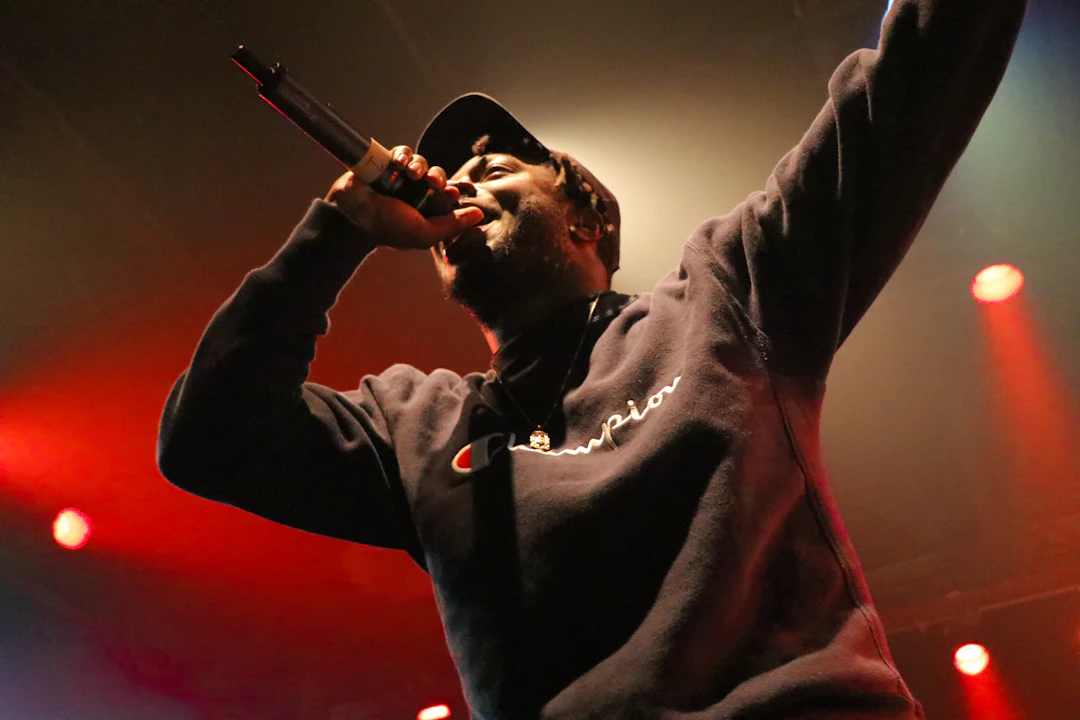
Rap music has undeniably become one of the most influential genres in the music industry today. With roots that can be traced back to the 1970s, this genre has undergone significant transformations over the years. From its beginnings as a form of expression in the Bronx to the global phenomenon it is today, rap music showcases a remarkable evolution that reflects cultural shifts, technological advances, and the ever-changing tastes of generations. Let’s dive into the captivating journey of rap: from old school to new school.
The Birth of Rap: Old School Vibes
To understand the evolution of rap, we must first explore its origins. The late 1970s marked the onset of hip hop culture, characterized by graffiti, breakdancing, DJing, and MCing. Artists like DJ Kool Herc and Grandmaster Flash pioneered the genre by mixing beats and incorporating spoken word elements that would later define rap music.
Influence of DJs: The focus was on DJs who played breakbeats from funk and disco records to keep the party alive. As MCs began to speak over these beats, the combination gave birth to what we now recognize as rap.
Storytelling: Early rappers often shared stories about street life, social issues, and personal experiences, serving both as entertainment and a way to voice struggles faced by their communities.
Old school rap was characterized by party-centric themes, catchy beats, and simpler lyrical structures. Icons such as Run-D.M.C and The Sugarhill Gang became household names, capturing the hearts of audiences with their infectious rhythms and engaging performances.
The Golden Age: Expanding the Art Form
The late 1980s and early 1990s are often referred to as the "Golden Age of Hip Hop." This period was marked by increased diversity in styles, lyrical complexity, and the emergence of influential rappers who shaped the genre’s direction.
Key Artists and Their Impact
Renowned figures like Public Enemy, A Tribe Called Quest, and N.W.A pushed the envelope, addressing political issues, social injustice, and lifestyles that resonated with many listeners. This era was significant in the following ways:
Political Messaging: Rap became a platform for political expression, often sparking discussions about race relations, police brutality, and socioeconomic disparities.
Lyrical Depth: Rappers began crafting intricate narratives with layered meanings, challenging the notion of rap as merely entertainment.
During this golden age, hip hop culture also began to permeate mainstream media, leading to an increase in rap's visibility and popularity. From music videos to films, rap music became a staple of modern culture.
The Rise of Gangsta Rap: A New Perspective
As the 1990s progressed, a subgenre of rap known as gangsta rap gained momentum and notoriety. This style reflected the harsh realities of street life, often glorifying violence, drugs, and a “gangsta” lifestyle. Artists like Tupac Shakur, The Notorious B.I.G., and Snoop Dogg became emblematic of this trend, showcasing both the appeal and controversy of gangsta rap.
Rap Beef: A Competitive Edge
With popular figures came rivalries and conflicts, commonly referred to as "rap beef." The famed East Coast-West Coast rivalry, primarily between Tupac and Biggie, highlighted how competition in rap culture could ignite both creativity and conflict. These beefs were often played out in the media, creating a spectacle that captivated fans and drew them deeper into the narrative of their favorite rappers.
The 2000s: Commercialization and Mainstream Success
The turn of the millennium saw rap emerging as a dominant force in mainstream music. Artists like Jay-Z, Eminem, and 50 Cent commanded the charts, bringing rap to a global audience. This period marked a significant shift:
Commercial Success: Rap music began to dominate radio playlists and Billboard charts, with artists selling millions of albums worldwide.
Collaboration: Cross-genre collaborations became prevalent, as rappers teamed up with pop and rock artists, further expanding rap's reach.
Accessibility: The rise of the internet and digital downloads made rap music more accessible than ever before, allowing independent artists to share their work without traditional gatekeepers.
The success of rap music opened doors to new avenues for aspiring artists, leading to a plethora of unique voices and styles emerging on the scene.
The New School: Diversity and Innovation
Today, rap is a multifaceted genre that reflects a diverse range of experiences and backgrounds. The new school of rap has branched out into various styles, incorporating influences from other genres and pushing the envelope further.
Genres and Subgenres
Modern rappers often draw inspiration from various musical styles, leading to the emergence of subgenres such as trap, mumble rap, and emo rap. Artists like Kendrick Lamar, Lil Uzi Vert, and Cardi B have showcased the experimental nature of contemporary rap, highlighting its versatility and relevance.
Trap Music: Known for its beats with hi-hats and 808s, trap has become a dominant force in rap today, with artists like Future and Migos leading the trend.
Mumble Rap: With a focus on melody over lyrical clarity, mumble rap reflects a new approach to songwriting. This style, embraced by artists like Lil Yachty and Lil Pump, has resonated with younger audiences.
Social Media and the Future of Rap
The role of social media has been transformative for the music industry, particularly for rap artists. Platforms like TikTok and Instagram allow rappers to connect with their audiences directly, promoting their music in innovative ways. Viral trends and challenges have become staples in launching new tracks, demonstrating the power of social media in shaping the future of rap.
Additionally, the rise of music streaming services has changed how listeners consume rap music, allowing fans to explore an extensive library of artists and songs from diverse backgrounds.
Rap as a Voice for Change
As the art form continues to evolve, rap remains a powerful voice for change. Many contemporary rappers use their platforms to address pressing social issues, from systemic racism to mental health awareness. Artists like J. Cole and Chance the Rapper have leveraged their influence to not only entertain but also educate and inspire their followers.
A Community of Expression
Today, the rap community is a melting pot of culture, creativity, and expression. Collaborations across genres and social movements highlight the importance of unity within the community. The evolution of rap also encourages emerging artists to take risks and bring their authentic selves into their music.
Staying Relevant Amidst Change
In the ever-evolving landscape of music, staying relevant is crucial for artists. Many successful rappers continuously adapt their styles to meet the demands of changing tastes, utilizing data analytics to understand what resonates with audiences.
Engaging Fans: Today's rappers go beyond music, interacting with fans through behind-the-scenes content and live performances, solidifying their connection with audiences.
Innovative Collaborations: Embracing innovation, rappers are collaborating with artists from different genres and cultural backgrounds, leading to exciting new sounds.
In this dynamic environment, adaptability has become vital for longevity in the industry.
The Beat Goes On: Our Journey Ahead
From its humble beginnings in the Bronx to its place as a global cultural phenomenon, rap music has come a long way. The genre’s ability to respond to societal changes, embrace innovative sounds, and foster connections between artists and fans underscores its significance in modern music. As we continue to witness the evolution of rap, one thing is certain: The beat goes on, and the rhythms of hip hop will keep shaping the landscape of music for generations to come.
FAQs
What is the origin of rap music?
Rap music originated in the late 1970s, particularly in the Bronx, as part of hip hop culture that included elements like graffiti, breakdancing, DJing, and MCing.
What defines the 'Golden Age of Hip Hop'?
The 'Golden Age of Hip Hop' refers to the late 1980s and early 1990s, marked by increased diversity in styles, lyrical complexity, and the emergence of influential artists addressing social and political issues.
What is gangsta rap and who are its prominent artists?
Gangsta rap is a subgenre that emerged in the 1990s, reflecting the harsh realities of street life. Notable artists include Tupac Shakur, The Notorious B.I.G., and Snoop Dogg.
How has social media influenced modern rap artists?
Social media platforms like TikTok and Instagram have allowed modern rap artists to connect directly with their audiences, promoting their music and launching viral trends.
What role does rap music play in social change today?
Contemporary rap artists use their platforms to address pressing social issues, such as systemic racism and mental health, often aiming to educate and inspire their followers.