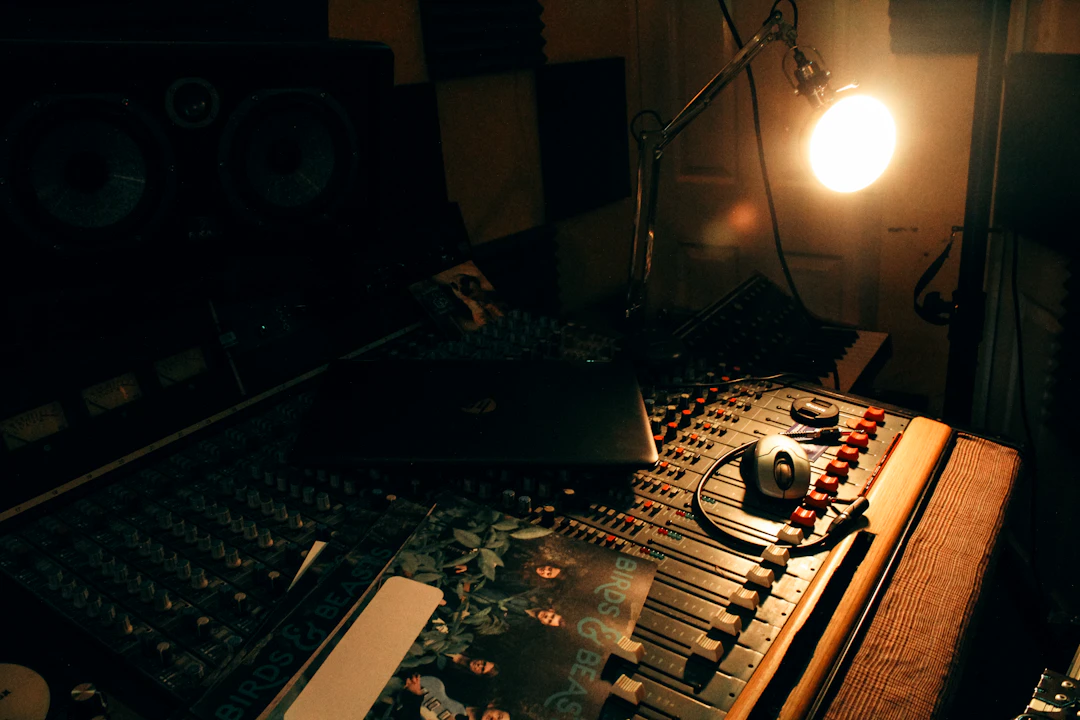
The evolution of music is a tale that intertwines creativity and technology, and nowhere is this more evident than in the world of rap and hip hop. At the heart of modern rap production lies a technique that has defined the genre: sound sampling. Whether it’s a snatch of a classic soul melody or an obscure vocal hook, sampling has become the lifeblood of rap music, propelling it into the mainstream and influencing countless rappers around the globe. In this blog post, we’ll delve into the fascinating world of sound sampling and explore how it shapes the aesthetic of hip hop today.
The History of Sampling in Rap Music
From its humble beginnings in the late 1970s and early 1980s, sampling quickly became a cornerstone of hip hop culture. Early pioneers like Grandmaster Flash and The Sugarhill Gang used turntables to loop breaks from funk and disco tracks, laying the foundation for future innovations.
The 1980s saw the birth of the digital sampler, a game-changing piece of technology that allowed producers to manipulate snippets of sound with unprecedented ease. Iconic rap albums from artists such as Afrika Bambaataa and Run-D.M.C. showcased this new technology, bringing sampling firmly into the realm of mainstream music.
The Art of Sampling: Creativity Meets Technology
Sampling is more than just throwing together bits of music from other tracks. It’s an art form that requires keen ears and creative vision. Great producers listen for that perfect snippet—whether it’s a catchy guitar riff, a vocal response, or a mesmerizing drum break—that will evoke emotion and energy in a track. Here are some techniques used in the art of sampling:
Pitch Shifting: Altering the pitch of the sampled sound to create a new melody or texture.
Time Stretching: Changing the length of the sound without affecting its pitch, allowing for more creative layering.
Layering: Combining multiple samples together to create a rich and complex soundscape.
Chopping: Taking short fragments of samples to create unique rhythms and melodies.
With these techniques, producers breathe new life into older tracks, establishing connections between generations of rap music and a wide array of musical influences.
The Role of Samples in Modern Rap Beats
Fast forward to the present-day sound of hip hop, and sampling is more prevalent than ever. In fact, many contemporary chart-topping albums rely heavily on samples. Here are a few reasons why sampling continues to play such a vital role:
1. Nostalgia: Sampling old records often stirs up feelings of nostalgia, creating a bridge between the past and present. This connection can evoke powerful emotions in listeners, making a song more memorable and impactful.
2. Variety: With an immense library of music to choose from, sampling offers producers a wealth of sounds and styles to explore. This vibrant musical palette enriches the diversity found within modern hip hop.
3. Storytelling: Many samples tell stories on their own. A well-placed sample can complement the lyrics of a rapper, reinforcing themes and emotions, thereby enhancing the overall narrative of a track.
The Legal Landscape of Sampling
While sampling can be immensely rewarding, it’s not without complications. The legality of sampling is a complex issue and can pose challenges for producers. When a sample is used without permission, it can lead to potential legal ramifications, sparking debates over copyright and ownership.
Most producers and artists are aware of the necessity to clear samples before releasing music. This often involves reaching out to original artists or their representatives to negotiate terms. Unfortunately, these negotiations can become hurdles, with some rappers facing significant delays in releasing their work due to clearance issues.
Sampling and Rap Beef
Interestingly, the world of sound sampling isn’t immune to the drama of rap beef. Rappers may sample each other’s work, leading to public disputes regarding originality and creativity. A high-profile case can ignite discussions about who truly owns a sound or idea in hip hop, showcasing the competitive spirit within the genre.
While some artists choose to settle their differences through amicable collaborations, others may find themselves engaged in heated battles. Ultimately, sampling remains a vibrant aspect of rap music, even in the face of conflict.
Iconic Samples That Shaped Hip Hop
To truly appreciate the impact of sound sampling, let’s look at a few iconic samples that have made a significant mark on the genre:
The Winstons – “Amen Brother”: This song features the infamous "Amen Break," one of the most sampled drum breaks in music history, playing a crucial role in countless hip hop tracks.
James Brown – “Funky Drummer”: The drum break from this track has been sampled extensively across rap music, becoming a staple in many productions.
Chic – “Good Times”: This classic disco anthem has been sampled by numerous rappers, with its bassline becoming one of the most recognizable elements in hip hop.
David Bowie – “Fame”: The iconic riff from this track has been a favorite among producers and has found its way into numerous rap songs.
These samples inspire countless rappers, pushing the boundaries of creativity and encouraging new interpretations of classic sounds.
Where Sampling is Headed
As technology continues to advance, the future of sound sampling looks bright. With the rise of artificial intelligence and sophisticated software, the possibilities for innovative sampling techniques are nearly limitless. Producers can create even more intricate soundscapes and explore uncharted territories within their music.
Moreover, the increased accessibility of music production tools allows aspiring producers to experiment with sampling at an unprecedented scale. This democratization of production techniques means that the next wave of rap music could come from an entirely new generation of artists eager to push the envelope.
Embracing the Sound of the Streets
In a world where authenticity and artistic expression are paramount, sampling remains a powerful tool for rappers to connect with their roots and share their stories. Whether challenging societal norms or celebrating culture, sound sampling allows artists to weave the past into the fabric of modern hip hop.
As we look ahead, it is clear that the art of sampling will continue to evolve and shape the sound of rap music for generations to come. By embracing these sounds, rappers not only express their individuality but also build bridges between diverse musical genres and histories, enriching the very essence of contemporary music.
The journey of sound sampling within the realm of hip hop encapsulates the ever-changing landscape of music. With every beat and every hook, we are reminded of the connective tissue that music creates, bringing together artists, producers, and fans alike in a celebration of rhythm, style, and the unyielding spirit of rap. So, as hip hop continues to evolve, let us cherish the intricate artistry of sound sampling and the vibrant culture it enhances.
FAQs
What is sound sampling in rap music?
Sound sampling is a technique where producers take snippets of sound from other recordings to create new music, playing a crucial role in the production of modern rap beats.
How did sampling begin in rap music?
Sampling started in the late 1970s and early 1980s, with early pioneers like Grandmaster Flash using turntables to loop breaks from funk and disco tracks.
What are some techniques used in the art of sampling?
Techniques include pitch shifting, time stretching, layering, and chopping to create new melodies and rhythms.
What are the legal considerations when using samples in music?
Producers need to clear samples before release, which involves obtaining permission from original artists or representatives; failure to do so can lead to legal issues.
What iconic samples have had a significant impact on hip hop?
Iconic samples include The Winstons' 'Amen Brother,' James Brown's 'Funky Drummer,' Chic's 'Good Times,' and David Bowie's 'Fame,' all of which have shaped the genre.