Overview
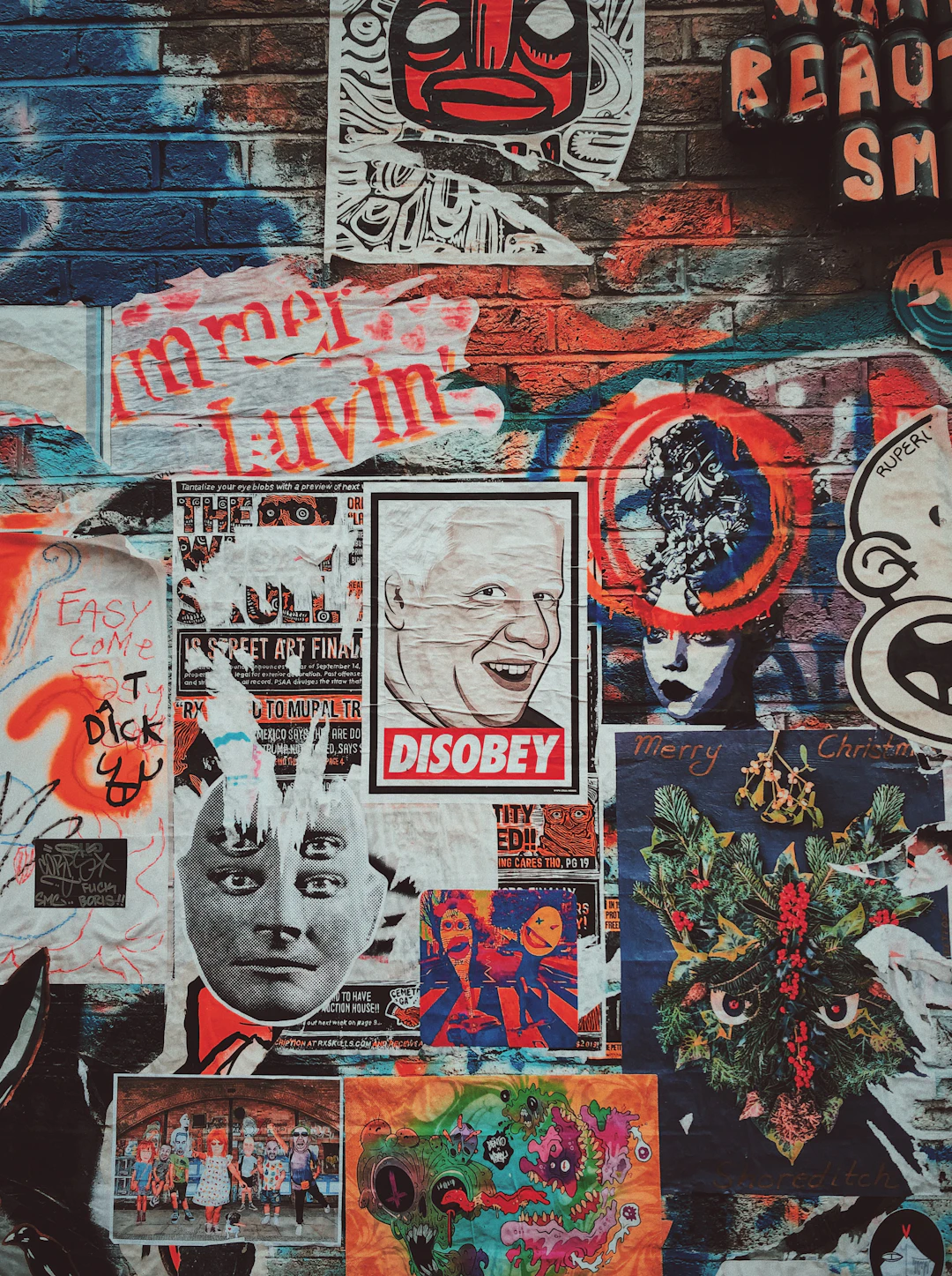
Street art and hip hop are deeply interconnected cultural movements that reflect and amplify each other's messages of identity, social commentary, and community. This blog explores their origins, collaborations, and the mutual influence they have on each other, showcasing how both forms serve as powerful platforms for self-expression and activism. As they evolve together, they continue to redefine artistic expression and cultural significance in contemporary society.
Contents
The Heart of Hip Hop: Origins and Evolution
Street Art: The Visual Voice of a Generation
The Convergence: Hip Hop and Street Art Collaboration
The Influence of Street Art on Hip Hop Culture
Iconic Rap Lyrics Reflecting Street Art Imagery
Street Art in Hip Hop Music Videos
Hip Hop as a Catalyst for Street Art Recognition
Rapper Ratings and Street Art: A Unique Perspective
The Future of Street Art and Hip Hop: Trends and Trajectory
Wrap-Up: A Shared Journey of Expression and Unity
FAQs
- What is the relationship between street art and hip hop?
- How did hip hop originate and evolve?
- Why has street art gained recognition as an art form?
- How do street art and hip hop collaborate?
- What is the future of street art and hip hop?
The vibrant world of street art holds a mirror to the culture and evolution of hip-hop. Just as the rhythm and rhymes of 90's rap album reviews echo the struggles and triumphs of a generation, the bold strokes of street artists capture the essence of the same spirit in an explosion of colors and creativity. In this blog post, we will delve deep into the visual and auditory connection between street art and hip hop, analyzing their cultural significance, mutual influences, and the messages they convey.
The Heart of Hip Hop: Origins and Evolution
To appreciate the relationship between street art and hip hop, it's essential to understand the origins of hip hop itself. Born in the 1970s in the South Bronx, hip hop has roots in African American and Latinx communities. It served as an outlet for self-expression and social commentary, tackling issues like racism, poverty, and inequality.
As hip hop grew in popularity, it became a vehicle for creativity. The 80s saw the emergence of iconic artists who laid the groundwork for future generations. In the 90s, we witnessed an explosion of talent, leading to innovative sounds and styles that not only shaped the genre but also influenced street art movements worldwide.
Street Art: The Visual Voice of a Generation
Street art has gained significant traction as a legitimate form of artistic expression over the past few decades. Initially viewed as vandalism, today it's celebrated as a powerful platform for social activism and commentary. Artists like Banksy, Shepard Fairey, and Jean-Michel Basquiat have brought street art to the forefront of contemporary culture.
Much like hip hop lyrics, street art pieces often tell stories, challenge societal norms, and convey thoughts on global issues. From graffiti tags to large mural installations, these works speak volumes about community, culture, and individual experiences.
The Convergence: Hip Hop and Street Art Collaboration
The synergy between hip hop and street art is apparent in various forms. Artists have collaborated in public spaces, combining graffiti with musical events. For instance, hip hop festivals often showcase street art installations, allowing graffiti artists to paint live alongside rap performances. This fusion creates a multi-sensory experience, immersing audiences in both sound and sight.
These collaborations extend to album covers, where visually striking artwork complements the audio experience. Iconic 90's and 2000's rap albums feature covers that are as meaningful and memorable as the tracks themselves. Artists like Nas and A Tribe Called Quest utilized unique artwork to emphasize the essence of their music, strengthening the connection between the auditory and visual realms.
The Influence of Street Art on Hip Hop Culture
Identity and Representation: Both street art and hip hop often serve to give voice to marginalized communities. Through dynamic visuals and powerful lyrics, they challenge stereotypes and promote cultural pride.
Social Commentary: Artists in both scenes use their crafts to comment on social injustices. The accessibility of street art parallels hip hop's grassroots origins, allowing for immediate and impactful messages.
Collaboration and Community: Street performers and artists often work together to create cohesive messages and visuals. The street becomes a gallery, showcasing both art forms in a communal space, fostering connection.
Style and Aesthetic: The two cultures have adopted and reinvented styles—a blend of graffiti fonts with hip hop fashion trends can be seen throughout the evolution of both movements.
Iconic Rap Lyrics Reflecting Street Art Imagery
The aesthetics of street art are often reflected in the lyrics of hip hop songs. Several iconic lines draw vivid imagery parallel to the striking visuals that define street art. Consider artists who incorporate references to graffiti and urban landscapes in their rhymes. Their expressions paint a picture that is both sonically and visually rich.
Look back at 90's rap album reviews—many tracks feature lines that describe their surroundings, emulating the environment that street artists capture on their canvases. Lines from influential works like The Notorious B.I.G.'s “Juicy” and Tupac's “Changes” are often intertwined with urban settings that street artists bring to life through their murals.
Street Art in Hip Hop Music Videos
Hip hop music videos serve as an extension of an artist's message. By incorporating street art into their visuals, artists not only celebrate the culture but also authenticate their roots in the hip hop community. Take a look at music videos from the 2000s, where murals and graffiti often complement the themes of the songs.
For example, music videos from Kanye West illustrate the grandiosity of modern life while intertwining elements of urban art. The cultural nuances captured in these visuals help foster deeper connections between fans and the genre. The marriage of audio and visual art in this digital age transforms music videos into a holistic storytelling medium.
Hip Hop as a Catalyst for Street Art Recognition
The commercial success of hip hop has inadvertently established avenues for street artists to gain recognition. These artists receive opportunities to showcase their work across various platforms, widening the audience for both street art and hip hop culture.
As artists in the hip hop scene begin to incorporate street art style into their branding—merchandising, album covers, and promotional materials—street artists get a chance to elevate their work beyond the streets. Events like public installations, murals commissioned for album launches, and exhibitions featuring both art forms are becoming increasingly common.
Rapper Ratings and Street Art: A Unique Perspective
Rapper ratings have become an integral aspect of the hip hop community. With platforms dedicated to critiquing styles, lyrics, and overall contributions to the music scene, the discourse around hip hop has evolved considerably. Interestingly, there’s a parallel with street art. Just as critics assess rapper ratings, art critics and fans alike analyze and showcase street artists’ contributions.
This dual appreciation for both street art and hip hop opens the doors for deeper conversations about the nature of talent and expression. As 90's and 2000's rap album reviews have expanded around themes of authenticity, social justice, and personal narrative, street art serves as another canvas reflecting these vital conversations. It's not just about the music; it’s also about the powerful thoughts and emotions behind it.
The Future of Street Art and Hip Hop: Trends and Trajectory
As both street art and hip hop continue to evolve, we can expect to see more inventive collaborations and crossover events that blend both cultures. Technological advancements are paving new pathways for artists in both communities. Digital graffiti and augmented reality installations are already beginning to blur the lines between traditional street art and digital expression.
Additionally, social media platforms are becoming crucial for independent artists. Street art can now gain global visibility instantaneously, much like emerging hip hop tracks. This means that both movements will continue to inform and inspire one another, showcasing the resilience and creativity of their respective communities. This connection will only strengthen as more artists recognize the power of uniting their art forms.
Wrap-Up: A Shared Journey of Expression and Unity
As we navigate the vibrant world of hip hop and street art, it's crucial to remember the shared experiences and emotions that unite these two forms of expression. The canvas of city streets tells stories of struggle, resilience, and celebration, while the rhythm and lyrics of hip hop echo those sentiments in undeniable ways. Looking back at not only the 90's rap album reviews but also the groundbreaking street art movements, we find a rich tapestry of culture and creativity that inspires future generations.
Ultimately, both street art and hip hop challenge us to think critically about the world around us and express our truths boldly. Their interwoven narratives create a legacy that we must not only acknowledge but also celebrate. Together, they continue to redefine our cultural landscape, making history and art accessible to all.
FAQs
What is the relationship between street art and hip hop?
Street art and hip hop are interconnected forms of cultural expression that reflect social issues, community voices, and artistic creativity, often collaborating in visual and auditory experiences.
How did hip hop originate and evolve?
Hip hop originated in the 1970s in the South Bronx, rooted in African American and Latinx communities, and evolved through various decades, influencing both music and street art.
Why has street art gained recognition as an art form?
Street art has gained recognition as a legitimate art form due to its powerful social commentary, artistic expression, and the works of renowned artists who challenge societal norms.
How do street art and hip hop collaborate?
Street art and hip hop collaborate through events like festivals where artists paint live during musical performances, album covers that feature street art, and joint community art projects.
What is the future of street art and hip hop?
The future of street art and hip hop is likely to see more innovative collaborations, the influence of technology, and greater visibility through social media, leading to a continuous exchange of ideas and styles.