Overview
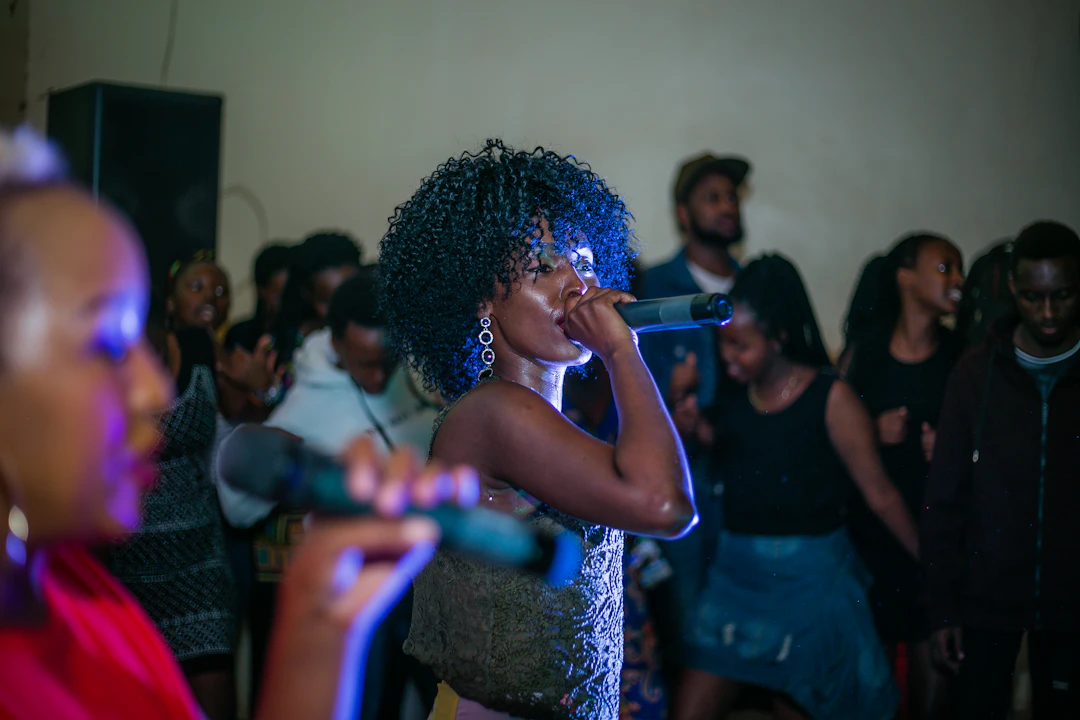
The blog highlights the transformative impact of female artists in hip-hop, showcasing their role in redefining narratives around empowerment, diversity, and advocacy. It emphasizes the contributions of artists like Cardi B, Rapsody, and Doja Cat, who address societal issues and collaborate to uplift each other. The future of rap is characterized by unique sounds and a strong movement towards equality, with women using their platforms for social change. As the genre evolves, it's fostering a supportive community that encourages authenticity and resilience among young women.
Contents
The Rise of Women in Rap
Breaking Down Barriers
A New Sound, A New Narrative
- The Power of Collaboration
Voices of Advocacy and Activism
The Youth and Female Empowerment
The Influence of Male Allies
- What’s Next for Women in Rap?
Becoming Its Own Movement
Empowerment: The Rhythm of Change
FAQs
- What is the focus of the blog 'The Future of Female Empowerment in Rap: Hitting All the Right Notes'?
- How have female rappers historically contributed to hip-hop culture?
- What themes do today's female rappers address in their music?
- How do collaborations among female artists influence the rap industry?
- What is the future outlook for female empowerment in rap?
The world of hip-hop has always been a powerful platform for self-expression, cultural critique, and storytelling. In recent years, an incredible shift has occurred in the rap genre as female artists emerge, redefine, and reshape the narrative surrounding women in music. While legends like Kendrick Lamar, Drake, J. Cole, Eminem, and Tupac have solidified their places in hip-hop history, it is the voices of the women today that are forging a new future filled with empowerment, authenticity, and diversity. This blog explores the profound impact women are making in the rap industry, highlighting their unique contributions and envisioning what lies ahead.
The Rise of Women in Rap
Women have always played a significant role in the development of hip-hop culture, albeit often overshadowed by their male counterparts. The storytelling legacy of Tupac and the lyrical prowess of Eminem paved the way for self-expression in hip-hop, yet it is important to acknowledge the trailblazing women who confronted stereotypes and expanded the genre’s narrative.
Artists like Queen Latifah, Missy Elliott, and Lauryn Hill created pathways for future generations, infusing their lyrics with strength and vulnerability. Fast forward to today, and we see female rappers such as Cardi B, Nicki Minaj, and Lizzo leading the conversation. Their music, often characterized by themes of independence, self-love, and resilience, has paved the way for a new era of empowerment in rap.
Breaking Down Barriers
The progression of female empowerment in rap can be witnessed through the way these artists have addressed societal issues. Themes such as body positivity, sexual agency, and socio-political activism are increasingly prevalent, challenging the status quo. Female rappers are taking a stand against misogyny and becoming advocates for change, significantly altering the perception of women in the industry.
Cardi B: With her unapologetic authenticity, Cardi has brought forth a new wave of self-empowerment, proving that women can be both fierce and relatable.
Rapsody: Rapsody's lyrical depth remains unmatched as she weaves narratives that reflect her identity, emphasizing education and empowerment.
Doja Cat: Merging genres and breaking barriers, her meteoric rise showcases how versatility meets empowerment.
This evolution has garnered unprecedented attention to female artists in a genre historically dominated by men. Even artists like Kendrick Lamar, Drake, and J. Cole have acknowledged and collaborated with female rappers, which signifies a change in the industry’s landscape—a collective understanding that diversity enriches hip-hop culture.
A New Sound, A New Narrative
The future of female empowerment in rap is characterized not just by the artists’ messages but also by their unique sounds. Women in hip-hop are redefining musical boundaries, utilizing the genre’s platform to express unconventional ideas, explore varied genres, and comment on contemporary social issues. The infusion of influences from pop, R&B, and even electronic music demonstrates the fluidity of hip-hop.
The Power of Collaboration
Collaboration has become a crucial aspect of growth in the rap community. Female artists are increasingly working with one another to build a supportive network, creating an ecosystem where they uplift and empower each other. Collaborations like “Woman” by Doja Cat and other female-centric tracks have further enhanced this collective narrative of female strength.
This unity amongst female rappers serves as a counter-narrative to the disjointed representation seen in earlier decades. With exemplary partnerships like Nicki Minaj and Cardi B or the collaborations between Rapsody and male artists such as Kendrick Lamar, the shared message is universal: women in hip-hop are here to stay, and they will thrive together.
Voices of Advocacy and Activism
The fight for female empowerment transcends music. Artists today are not afraid to use their platform to speak out against social injustices, environmental issues, and political movements. Many women in rap have become influencers and advocates for change, blurring the lines between art and activism.
Meg Thee Stallion: With her “Hot Girl Summer” ethos, she empowers women to embrace their sexuality while championing mental health awareness.
Janelle Monáe: Although not strictly a rapper, her work has deeply influenced the genre and highlights themes of gender identity and equality.
Saweetie: Beyond her catchy hooks, she actively supports women’s empowerment causes, encouraging them to chase their dreams no matter the obstacles.
We’ve seen a rise in female artists taking bold stances on issues like racial equality and economic opportunities. Their fearless approach echoes the activism of Tupac and has laid the groundwork for a new generation of artists to follow suit, making social justice an integral part of their musical narratives.
The Youth and Female Empowerment
The younger generation absorbs these messages like never before. Platforms like TikTok and Instagram have given rise to a new kind of celebrity, one that promotes raw authenticity over polished images. Female rappers are using social media to connect with their audience and showcase their unique messages, making it easier for fans to engage and nurture a community centered around empowerment.
Young women in particular are quick to identify with the relatable struggles articulated in the lyrics of today’s female rappers. Whether it’s overcoming heartbreak, battling societal expectations, or asserting agency, these experiences resonate, making rap a powerful medium for personal growth and healing.
The Influence of Male Allies
While female empowerment in rap is primarily driven by women, the support from male artists is equally pivotal. Collaborations between female and male artists, like those of Kendrick Lamar with Rapsody and the frequent presence of female voices on tracks by Drake and J. Cole, signify a united front for equality in the genre.
When male artists recognize the talent and contributions of their female counterparts and choose to collaborate rather than compete, it signifies respect and support, further encouraging female artists to share their stories. This encourages a respectful and nurturing environment that benefits everyone involved.
What’s Next for Women in Rap?
The wave of female empowerment in rap is burgeoning, with no signs of slowing down. As we look ahead, we can anticipate further advancements in representation, opportunities, and acceptance in the industry. With the young talent constantly emerging, tomorrow's stars will likely continue to build on the foundation laid by current artists.
We may also witness an increase in female-led labels, management, and production, which will help combat entrenched inequalities and foster even more talent to flourish. The democratization of music through platforms like SoundCloud and Spotify allows for diversity in voice, ensuring that stories traditionally sidelined will find their rightful place in mainstream hip-hop culture.
Becoming Its Own Movement
Ultimately, the movement towards female empowerment in rap transcends beyond the music. It represents an ongoing struggle for recognition, respect, and inclusion—an example of art reflecting the times. As women continue to rise and claim their space in the industry, they teach future generations the importance of resilience and determination, ultimately crafting a movement unafraid to disrupt conventional narratives.
Empowerment: The Rhythm of Change
In this exciting era, the future of female empowerment in rap is vibrant and hopeful. Like the powerful words of Eminem or the thought-provoking lyrics of Kendrick Lamar, the artists of today are composing new anthems of agency, celebration, and unity. With each verse, they weave a larger tapestry that not only uplifts women in music but also serves as a beacon of hope for societal change. The resonance of their words in the hearts of listeners ensures their impact endures far beyond the charts, making the world of rap a space where all voices can thrive.
As we move forward, supporting and celebrating these artists will encourage more women to embrace their talents and challenges. By doing so, we contribute to a strong and united front, empowering not only ourselves but also those who dare to dream big. Let the beats of empowerment continue to echo through the world of rap, shaping its rich tapestry for generations to come!
FAQs
What is the focus of the blog 'The Future of Female Empowerment in Rap: Hitting All the Right Notes'?
The blog explores the impact of female artists in the rap industry, emphasizing their role in redefining narratives around women in music and highlighting themes of empowerment and diversity.
How have female rappers historically contributed to hip-hop culture?
Female rappers have played a significant role in hip-hop culture, often confronting stereotypes and expanding the genre’s narrative, with early pioneers like Queen Latifah and Missy Elliott paving the way for future generations.
What themes do today's female rappers address in their music?
Today's female rappers often address themes such as body positivity, sexual agency, and socio-political activism, challenging the status quo and advocating for change.
How do collaborations among female artists influence the rap industry?
Collaborations among female artists create a supportive network that uplifts and empowers each other, promoting a collective narrative of strength within the rap community.
What is the future outlook for female empowerment in rap?
The future of female empowerment in rap appears vibrant, with anticipated advancements in representation, opportunities, and the emergence of female-led labels and management, fostering further talent and diversity in the industry.